
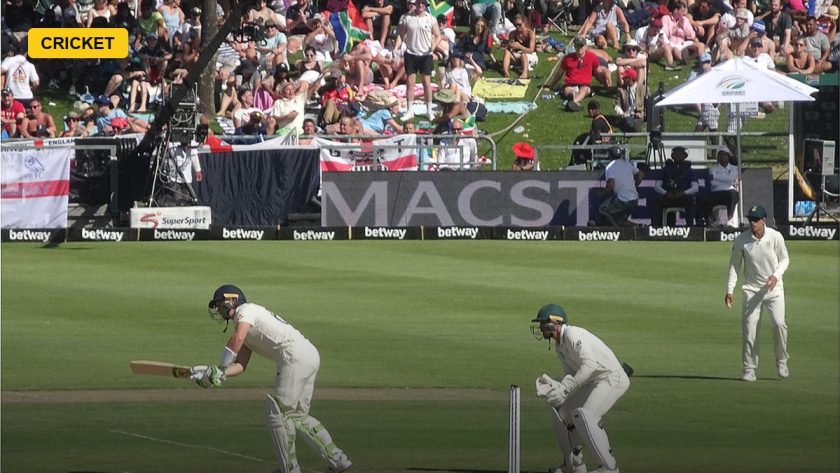
England completed a landmark 4-0 rout of India in a five-match Twenty20 International series this July, a result that has reshaped the men’s white-ball hierarchy heading into the back half of 2026. The result marked the first time England have beaten India in a bilateral T20I series, and it propelled England to the top of the ICC Men’s T20I Team Rankings with a rating of 268, edging ahead of India on 260 and Australia, also on 260 but classed third on the tie-break.
A Series That Got Away From India Early
The series opened at Chester-le-Street on July 1 with India posting 189 for 7, only for rain to wash the match out without a result, denying Shreyas Iyer’s side an opening statement. From there the tide turned decisively toward the hosts. England chased down 190 in Manchester on July 4 with four wickets and six balls in hand, then produced their most emphatic display of the series three days later in Nottingham, restricting India to 76 all out in 11.4 overs after posting 201 for 7, a 125-run demolition that exposed India’s middle order against pace and spin on a used surface.
Bristol and Southampton Confirm the Rout
India’s batting misfired again in the fourth match at Bristol, managing only 158 for 7 before England cantered to 159 for 1 in 13.5 overs to win by nine wickets. The series was sealed at the Rose Bowl in Southampton on July 11, where Jos Buttler struck an unbeaten 131 off 64 balls to lift England to 257 for 3, with Harry Brook contributing 95. India replied with 201 for 8, built around contributions from Ishan Kishan and Tilak Varma, but fell 56 runs short. Brook was named Player of the Series with 229 runs across the five games, while Buttler’s Southampton innings was the individual highlight of the tour.
A Rare Blemish for Shreyas Iyer’s New Captaincy
The 4-0 defeat represents India’s heaviest bilateral T20I series loss under a new-look leadership group, with Shreyas Iyer newly installed as captain for the format. India had gone into the tour with a settled top order but were repeatedly undone by England’s pace bowling changes and by Adil Rashid and Liam Livingstone’s control through the middle overs. Indian commentators have pointed to a lack of adaptability against English conditions in early July, while others note that several first-choice India batters were carrying fatigue from a congested calendar that included the earlier stretch of franchise cricket.
England’s Perspective: Vindication for a Rebuilt Squad
For England, the result vindicates a T20I side that has been rebuilt around Buttler’s continued captaincy and the emergence of Brook as a genuine match-winner across formats. Head coach Brendon McCullum’s white-ball unit had been searching for a signature scalp since their T20 World Cup exit earlier in 2026, and beating India 4-0 on home soil, without previously having won a bilateral series against them in the format, answers lingering questions about England’s depth heading into a busy 2026-27 assignment list.
What the Ranking Swing Means Going Forward
The points swing takes England to a rating of 268, their highest in the current cycle, while India slip to second on 260. Rankings shifts of this scale matter beyond bragging rights: seeding for ICC events, including the qualification pathway toward the next T20 World Cup cycle, draws directly from the rankings table at cut-off dates. For India, the priority now shifts to correcting middle-order fragility before their next white-ball assignments, while England will look to defend the top spot against Australia and South Africa, both of whom sit close behind on rating points. Both boards face a short turnaround before their next limited-overs commitments, meaning neither side has much time to dwell on the outcome.
Broader Implications for the White-Ball Calendar
The timing of the series, sandwiched between India’s ODI leg of the same tour and a congested run of franchise cricket on both sides of the summer, has also reopened debate about player workload management in the modern game. England’s coaching staff have pointed to squad rotation across the five matches as a deliberate strategy to manage bowling workloads ahead of a heavier assignment list later in 2026, while India’s team management have acknowledged that several frontline players were managed carefully through the white-ball leg after a taxing Test calendar earlier in the year. Analysts have also noted that the margin of England’s win, four wins from four completed matches, is a rare occurrence between the two nations in any format over the past decade, adding weight to suggestions that this English T20I generation, built around Buttler, Brook and a maturing bowling attack, may be entering its most productive period yet. For broadcasters and sponsors, a series this lopsided nonetheless drew strong viewership figures in both countries, underlining that marquee India fixtures retain commercial pull regardless of the scoreline.