
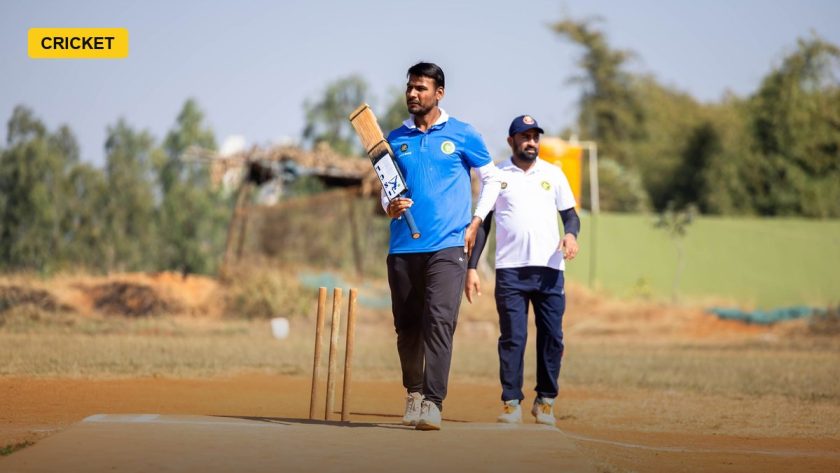
Afghanistan cricket underwent a significant leadership change this year when Ibrahim Zadran was appointed the new T20I captain, taking over from Rashid Khan following the team’s disappointing showing at the ICC Men’s T20 World Cup 2026. The decision marked the end of Rashid Khan’s tenure at the helm of the format that has been central to Afghanistan’s rise as a competitive force in world cricket over the past decade.
A Difficult World Cup Exit
Afghanistan’s T20 World Cup campaign, despite moments of individual promise, ultimately fell short of the team’s own expectations, prompting the Afghanistan Cricket Board to reassess leadership across the format. Rashid Khan, who had captained the side through a period that included some notable upsets against higher-ranked opposition, was replaced as the board looked to reset the leadership group and build toward the next cycle of white-ball assignments with fresh direction at the top.
Zadran’s New Responsibilities
Ibrahim Zadran, an established figure in Afghanistan’s batting order across formats, now carries the additional burden of captaincy in the shortest format at a time when the team is simultaneously trying to integrate a new generation of players into the senior set-up. His first assignments in the role included a T20I series in India in September, a tough away assignment against one of the format’s strongest sides, that offered an early gauge of how the side is adjusting under its new leadership structure following consecutive series defeats.
Rashid Khan’s Continued Role
Despite stepping back from the T20I captaincy, Rashid Khan remains a central figure in Afghan cricket, having been appointed to the World Cricketers’ Association Player Advisory Board, a role reflecting his growing influence in player welfare and governance conversations across the sport globally. However, his continued involvement at the international level has come under scrutiny after he was also left out of Afghanistan’s squad for the Asian Games in Japan, a decision that surprised many observers given his stature and experience in the format.
Contrasting Perspectives
Supporters of the leadership change within Afghan cricket circles have argued that a fresh voice at the helm was necessary after the World Cup disappointment, and that handing the captaincy to Zadran offers an opportunity to build a leadership group better suited to the team’s next phase of development, with an eye on future global tournaments. Others, including some former players and fans, have expressed concern that removing a captain of Rashid Khan’s experience and stature, particularly one so central to the team’s identity over the past several years, risks destabilising a squad already adjusting to considerable turnover in personnel. The additional decision to omit him from the Asian Games squad has only intensified that debate.
What’s Next
Zadran’s captaincy will face its next major examination at the Asian Games in Aichi-Nagoya, where Afghanistan compete without Rashid Khan in the squad, offering an early opportunity to demonstrate the new leadership group can deliver results independent of their most recognisable star. How Afghanistan perform across this transitional period will likely shape conversations about the pace and scope of further changes to the squad heading into subsequent bilateral series and future global tournaments.
Zadran’s Playing Credentials
Ibrahim Zadran’s elevation to the captaincy comes on the back of a batting record that has made him one of Afghanistan’s most consistent performers across formats in recent seasons, with a technique well regarded for its solidity against pace and its adaptability across different conditions. Selectors have pointed to his composure at the crease as evidence he possesses the temperament required for leadership, even though captaincy at international level, particularly in a rebuilding phase, presents a very different set of challenges compared to simply performing as a batter within someone else’s team structure.
Former Afghan internationals have offered a mixed but broadly supportive assessment of the appointment, with some expressing confidence that Zadran’s calm demeanour will serve the dressing room well during what is likely to be a difficult transitional period, while others have cautioned that leading a team through a rebuild, especially one still processing the departure of as influential a figure as Rashid Khan from the captaincy, requires a level of man-management experience that can only be earned through time in the role itself. The Afghanistan Cricket Board has indicated it will provide Zadran with continuity in support staff to help ease that learning curve, a decision seen as an acknowledgement that leadership transitions of this scale require sustained institutional backing rather than being left solely to the new captain.
Photo: Rakesh M Desharla / PEXELS via Pexels