
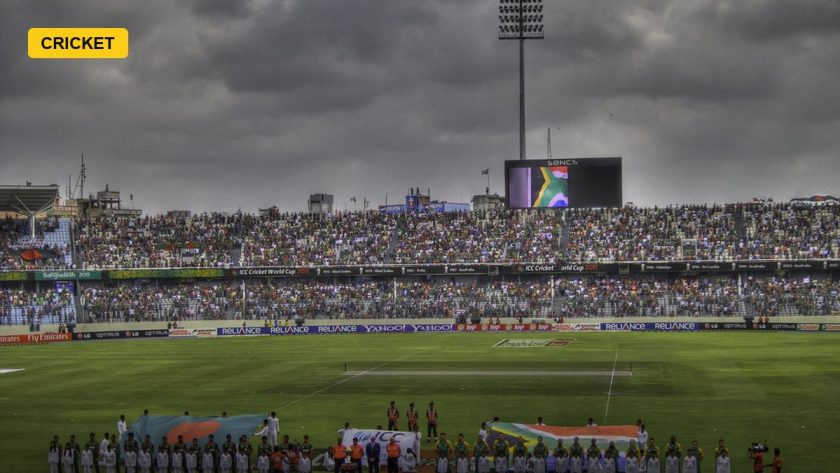
The International Cricket Council has confirmed the 12 venues that will host the 2027 Men’s Cricket World Cup, spreading a 14-team, 57-match tournament across South Africa, Zimbabwe and Namibia in a return of the men’s 50-over global event to African soil for the first time since 2003.
How the Hosting Splits
South Africa carries the bulk of the tournament with eight venues — the Wanderers Stadium in Johannesburg, SuperSport Park in Centurion, Newlands in Cape Town, Kingsmead in Durban, St George’s Park in Gqeberha, Mangaung Oval in Bloemfontein, Boland Park in Paarl and Buffalo Park in East London — while Zimbabwe hosts matches at Harare Sports Club, Queens Sports Club in Bulawayo and the Victoria Falls stadium, and Namibia stages games at its national ground in Windhoek.
A New Three-Stage Format
The 2027 edition introduces a three-stage structure the ICC says is designed to sharpen competitiveness throughout the tournament, including a Super Series among the teams ranked 12th through 14th to decide the final qualifying spot, a mechanism aimed at giving lower-ranked cricket nations a genuine, competitive route into the main draw rather than a token participation slot.
Why Africa, and Why Now
Returning the World Cup to African venues after more than two decades reflects a deliberate ICC push to widen the tournament’s footprint beyond its traditional Asia-Australia-England rotation, with South Africa’s infrastructure investment and Zimbabwe and Namibia’s smaller co-host roles seen by administrators as a template for spreading hosting opportunities to Associate and lower-resourced Full Member nations in future cycles.
The Logistics Debate
Touring team management and broadcasters have flagged the spread across three countries — including Namibia’s single, comparatively remote venue — as a logistical challenge compared with tournaments concentrated in one or two host nations, with travel time between fixtures a factor several teams say will shape squad rotation and workload planning once the full match schedule is released.
What’s Next
The ICC is expected to release the full fixture list and qualification pathway details in the coming months, with the new Super Series qualifying mechanism likely to be finalized first given its direct bearing on which three nations join the eleven automatically qualified teams for the tournament’s expanded, competitiveness-focused format.
Cricket boards in South Africa, Zimbabwe and Namibia have all welcomed the hosting confirmation as a significant economic and developmental opportunity, with Zimbabwe Cricket in particular describing co-host status as validation of infrastructure upgrades made at its three selected venues in anticipation of a bid it had pursued for several years. Namibia Cricket, hosting World Cup matches on home soil for the first time in the men’s 50-over format, has said the tournament will be used to accelerate ground and facility upgrades in Windhoek well beyond what the single-venue allocation alone would have funded.
Broadcasters covering the region have also welcomed the multi-nation format as a chance to showcase venues rarely seen in global tournament coverage, though some networks have privately raised concerns about production costs of covering matches across three countries with varying broadcast infrastructure maturity, a challenge organizers say will be addressed through additional production support funding for the Zimbabwean and Namibian venues specifically.
Photo: rushdi13 / BY-ND via flickr