
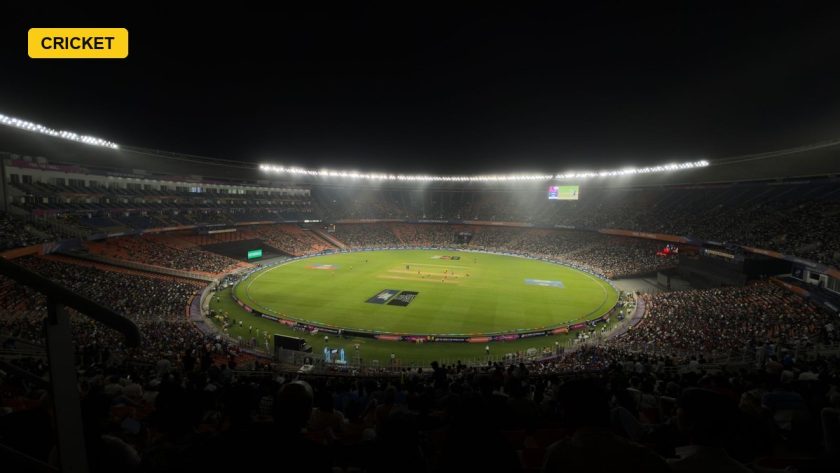
India and Afghanistan met for the third and final T20I of their series at the Arun Jaitley Stadium in Delhi on September 17, 2026, with the contest already a dead rubber after India secured an unbeatable 2-0 lead with identical seven-wicket wins in the first two matches. Despite the series being decided, the fixture carried genuine significance for both camps as they look to fine-tune personnel ahead of busy assignments later this month.
A Series Already Won
India’s dominance through the first two games, chasing down totals of 157 and 159 with overs to spare, has been built on explosive top-order batting from Abhishek Sharma and calm finishing through the middle order, while the bowling unit, spearheaded by contributions like Nitish Kumar Reddy’s 3 for 24 in the second match, has repeatedly choked Afghanistan’s ability to build match-winning totals. Heading into the finale, India’s management made clear their focus would be on giving fringe squad members further opportunities rather than treating the result as the primary objective, given the series outcome was no longer in question.
Selection Experiments
With the series safely won, India used the third T20I to run the rule over players on the periphery of their T20 plans, continuing a theme that has run through the whole series. The exercise is part of a broader calendar squeeze, with India’s T20 squad for the Asian Games, led by Shreyas Iyer and featuring uncapped 15-year-old Vaibhav Sooryavanshi as the youngest player ever picked for an India cricket team at a major event, due to assemble almost immediately after this series concludes. Selectors and coaching staff have used low-stakes fixtures like this one throughout the year to assess depth options without disrupting the frontline group’s rhythm ahead of bigger assignments.
Afghanistan’s Search For Answers
For Afghanistan, the dead rubber represented one last chance to salvage some pride and, more importantly, settle on combinations under new T20I captain Ibrahim Zadran, who took over from Rashid Khan after the team’s below-par showing at the T20 World Cup earlier in the year. The middle order in particular has come under scrutiny after failing to build on solid starts in both completed matches, and coaching staff were candid that the tour, while difficult on the scoreboard, was being treated as essential preparation time for a young core of batters who will need to perform against stronger attacks in the years ahead. Rashid Khan’s continued absence from the T20I set-up, and his subsequent omission from Afghanistan’s Asian Games squad, has added an extra layer of scrutiny to the side’s title-less transition period.
Broader Context
The series has taken place against the backdrop of an unusually congested international calendar for both boards, with India also managing preparations for white-ball assignments against the West Indies and a men’s cricket campaign at the Asian Games, while Afghanistan continue searching for the right blend of youth and experience across formats. Neither side risked injuries to frontline stars in what was always likely to be a low-key finale, and both camps used pre-match media time to stress the value of fixtures like this in a calendar increasingly dominated by franchise cricket and global events, where straightforward bilateral cricket offers some of the clearest form guides available to selectors.
What’s Next
Once the Afghanistan series concludes, India’s focus shifts immediately to the Asian Games men’s cricket competition, which begins on September 24 in Aichi-Nagoya, Japan, where India start as one of the favourites given their seeded position in the draw alongside Pakistan, Sri Lanka and Bangladesh. Afghanistan, too, have their own Asian Games campaign to prepare for, minus Rashid Khan, as they look to translate the lessons of this series, however chastening, into a more competitive showing on the continental stage in the weeks ahead.
Calendar Pressures Shaping Selection
The scheduling of this dead rubber so close to two major continental commitments underscores just how tightly packed the modern international calendar has become for both boards, with barely a week separating the end of a bilateral series and the start of Asian Games preparations. India’s selectors have had to plan meticulously around rest and rotation, ensuring frontline players are not overexposed to niggling injuries before a tournament that carries genuine prestige alongside its lower profile compared to ICC global events. Team physiotherapists and support staff have played an outsized role this month in managing that transition smoothly.
Commentators following the series closely have also noted that dead rubbers, often dismissed as inconsequential, have historically been useful predictors of squad depth precisely because the reduced pressure allows fringe players to express themselves more freely than they might in a series-deciding contest. That dynamic played out clearly across this series, with India using the platform to test personnel while Afghanistan continued working through the growing pains of a leadership transition under Ibrahim Zadran.
Both boards will review footage and data from the series extensively in the coming days as final touches are made to their respective Asian Games squads and support staff finalise logistics for the trip to Japan.
Photo: Shlok / PEXELS via Pexels