
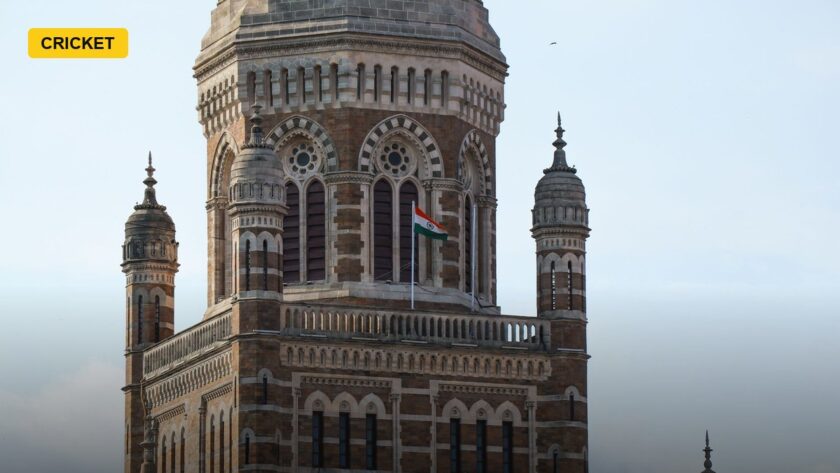
India’s Central Information Commission ruled in May that the Board of Control for Cricket in India is a private autonomous organization rather than a public authority under the country’s Right to Information Act, a decision that shields the world’s wealthiest cricket board from the kind of mandatory public disclosure requirements that apply to government bodies and other public institutions. The ruling closes, at least for now, a long-running debate over whether the BCCI’s enormous public influence and quasi-governmental role in Indian sport should come with corresponding transparency obligations. The CIC’s written order reportedly ran to several pages addressing each of the petitioner’s specific arguments before arriving at its final conclusion on the board’s status.
Why the RTI Question Has Lingered for Years
Right to Information activists and transparency advocates have long argued that the BCCI functions as a de facto public authority given its monopoly control over international and domestic cricket in India, its use of public stadiums built with government and municipal support, and the degree to which its decisions affect matters of significant public interest. The BCCI has consistently resisted RTI applicability, arguing that it is legally structured as a private society and should not be subject to the same disclosure requirements as government ministries or public sector bodies.
What the Ruling Actually Means in Practice
With the Central Information Commission affirming the BCCI’s private status, the board is not legally obligated to respond to RTI requests seeking information on matters like selection decisions, financial dealings, sponsorship negotiations or internal disciplinary proceedings, areas where transparency advocates have argued public scrutiny would be valuable given the BCCI’s effective monopoly over Indian cricket administration. The ruling does not prevent the BCCI from voluntarily disclosing information, but it removes any legal compulsion to do so.
The BCCI’s Unique Position in Indian Sport
Unlike many national sports federations in India that receive direct government funding and are consequently subject to RTI requirements, the BCCI has historically operated as a financially self-sufficient private body funded primarily through its own commercial revenue, particularly from the Indian Premier League and media rights sales, a structure that has repeatedly featured in legal arguments over its public authority status. That financial independence has arguably strengthened the board’s case for private status in a way that cash-strapped government-funded federations cannot replicate.
Why Transparency Advocates Are Disappointed
Critics of the ruling argue that an organization with the BCCI’s scale of public influence, controlling a sport followed by hundreds of millions of Indians and administering a domestic calendar spanning nearly 1,800 matches in the current season alone, should be held to meaningful public accountability standards regardless of its formal legal structure as a private society, particularly given recurring public interest in matters like IPL franchise ownership, sponsorship allocation and anti-corruption enforcement.
How This Compares to Other Cricket Boards Globally
Other major cricket boards operate under varying degrees of public accountability depending on their national legal and funding structures; Cricket Australia and the ECB, for instance, operate with different governance and disclosure frameworks shaped by their own countries’ sports administration laws, meaning the BCCI’s private status is not necessarily unusual in global context even as it remains a point of domestic political and civil society contention within India specifically.
Comparisons to Other National Sports Federations
India’s other major national sports federations operate under a range of different funding and governance models, with several Olympic-sport federations relying heavily on government grants and therefore falling squarely within RTI’s scope, a contrast that has fueled criticism from transparency advocates who argue cricket’s unique commercial self-sufficiency should not exempt it from the same public accountability standards applied to federations overseeing sports with far smaller public followings in India.
What’s Next
The ruling is likely to be appealed by transparency advocacy groups through India’s judicial system, though previous legal challenges on this exact question have generally not succeeded in overturning the BCCI’s private status. Barring a higher court ruling that reaches a different conclusion, the BCCI is likely to continue operating without RTI-mandated disclosure obligations for the foreseeable future, keeping internal financial and administrative details outside the reach of public information requests. Transparency campaigners have vowed to continue pursuing the matter through other available legal and legislative channels despite this latest setback. Several opposition lawmakers have separately called for legislation that would explicitly bring major sports federations under RTI’s scope regardless of how they are legally structured as organizations.
Photo: Abhishek Biradar / PEXELS via Pexels