
India’s cricketing leadership has shifted decisively this year, with the BCCI’s latest central contracts list placing only three players — captain Shubman Gill, pace spearhead Jasprit Bumrah and all-rounder Ravindra Jadeja — in the top Grade A bracket, a structural demotion for long-time stalwarts Rohit Sharma and Virat Kohli that formalises a generational transition years in the making.
The timing of the decision matters as much as its substance: rather than waiting for a poor run of results or an injury to force the issue, the BCCI has chosen to signal the transition during a period when both Rohit and Kohli remain productive enough to be included in squads at all, a more orderly approach than the often abrupt, performance-driven exits that have ended other senior Indian players’ careers in the past. Selectors have framed the approach as deliberately giving both veterans a dignified, gradual reduction in central importance rather than a single cut-off moment, even if the contracts list itself delivers that message in fairly blunt financial terms.
From Senior Statesmen to Transitional Figures
Rohit Sharma and Virat Kohli have anchored Indian cricket for close to two decades, debuting within roughly a year of each other in the late 2000s and subsequently combining for multiple World Cup campaigns, record-breaking batting returns and extended stretches of captaincy across formats. Their absence from the top contract tier does not mean their international careers are over, but it reflects a BCCI judgment that the pair’s workload and central role should recede as younger players are groomed for sustained leadership.
Gill’s Rapid Ascent
Shubman Gill has been installed as India’s captain across formats, inheriting a dressing room that until recently was led by two of the most decorated players in the sport’s history. At 26, Gill has stated his ambitions are focused squarely on the 2027 ODI World Cup cycle, with selectors and team management framing his captaincy less as a short-term fix and more as the foundation of India’s next decade of white-ball and red-ball cricket.
Room Still Reserved for the Old Guard
Despite their contract downgrade, both Rohit and Kohli remain part of selectors’ stated long-term planning, with suggestions both could still feature in India’s squad for the 2027 ODI World Cup if form and fitness hold up. That nuance — demotion in contract status without an outright end to international careers — reflects the delicate balance the BCCI is attempting to strike between honouring two of the sport’s greatest modern players and clearing space for Gill’s generation.
Two Camps Within Indian Cricket
Some former players and commentators have welcomed the clarity the contracts list provides, arguing a formal structural signal was overdue given how long speculation about Rohit and Kohli’s future has dominated Indian cricket discourse. Others worry the transition is being managed too publicly and too bluntly, suggesting the contract demotion risks appearing disrespectful to two players who delivered sustained excellence for the BCCI over two decades, regardless of the sporting logic behind the decision.
A Contracts List That Speaks in Tiers
The BCCI’s central contracts system has long used a graded structure — historically spanning categories from A+ down through C — to signal internal hierarchy and determine annual retainers independent of match fees, with the top tier traditionally reserved for the players the board considers most central to its plans across formats. Previous years’ lists often included anywhere from four to six players in the highest bracket, making this year’s decision to restrict the top grade to just three names a more pointed statement than a simple shuffling of categories would suggest. Players and agents watch these gradings closely not just for the financial implications but because movement between tiers has historically served as one of the clearest public signals of where a player sits in selectors’ long-term thinking, well before official statements about captaincy or squad roles are made.
What the Transition Means Going Forward
With Gill now leading India through a congested stretch that includes series against West Indies, a six-week tour of New Zealand, and the home Border-Gavaskar Trophy against Australia beginning in January, the coming months will offer the clearest evidence yet of whether the BCCI’s carefully staged handover produces the stability the board is hoping for — or whether the shadow of Rohit and Kohli’s legacy continues to shape every selection conversation regardless of what the contracts list says.
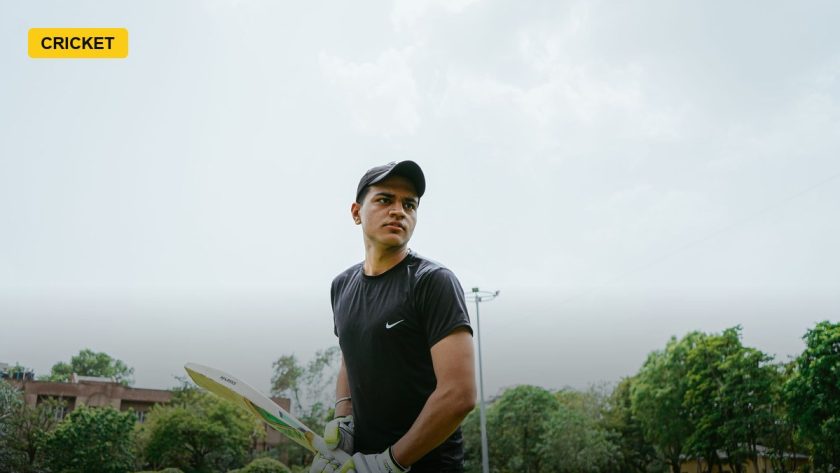
Photo: Yogendra Singh / PEXELS via Pexels