
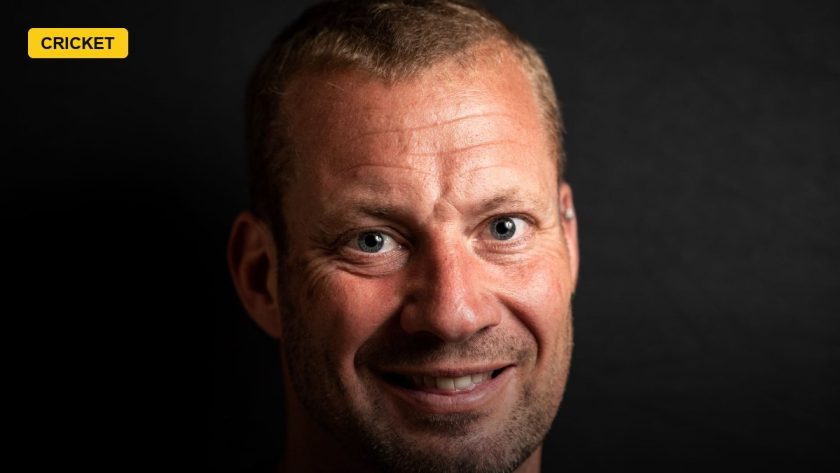
Mark Chapman has given up a New Zealand Cricket central contract in favour of a casual arrangement for the 2026-27 season, a switch confirmed by NZC on September 8, 2026, that clears his path to sign with a Big Bash League franchise in Australia. The move directly benefits Northern Districts fast bowler Matthew Fisher, who has been awarded his first-ever central contract to fill the vacancy Chapman leaves in New Zealand’s contracted playing group.
Why Chapman Chose Flexibility Over Certainty
Under New Zealand Cricket’s contracting system, a casual deal still leaves a player available for national selection but removes the guaranteed retainer that comes with a full central contract, giving players like Chapman room to commit to lucrative overseas T20 league deals without breaching their obligations to the board. Chapman was direct about his reasoning, saying: “I’m thankful to New Zealand Cricket for their support now and throughout my career. The upcoming India series is one all us players are really excited for, and I’m committed wholeheartedly to performing in that series.” He joins four other players — Finn Allen, Lockie Ferguson, Adam Milne and Tim Seifert — on the same casual tier, all of whom remain in the frame for New Zealand’s home series against India.
A Scheduling Collision NZC Could Not Paper Over
The root problem is a straightforward calendar clash: the Big Bash League runs from December 12 to January 26, 2027, a window that overlaps directly with New Zealand’s four-Test tour of Australia and a white-ball series against Sri Lanka. A standard central contract would have obligated Chapman to prioritise New Zealand duty over any BBL commitment, whereas the casual deal lets him weigh Test selection risk against a guaranteed franchise payday in Australia — a trade-off increasingly common among contracted players across smaller cricket boards competing for talent against the world’s biggest T20 leagues.
Fisher’s Reward For Domestic Form
With Chapman’s contracted slot freed up, Matthew Fisher becomes a first-time centrally contracted player, a recognition of his form for Northern Districts and a signal of where selectors’ priorities lie heading into a demanding season. NZC selection manager Gavin Larsen pointed to the need for fast-bowling depth across a calendar that includes Tests against India, Australia and Sri Lanka, framing Fisher’s extra pace as filling a specific gap in the squad’s balance rather than simply promoting the next name on a list.
Background: Franchise Cricket’s Growing Pull On Contracted Players
Chapman’s move fits a wider pattern across New Zealand cricket, where established internationals have increasingly opted for casual or non-central arrangements to chase opportunities in the IPL, BBL and other leagues rather than commit fully to the traditional home-board contract model. NZC’s willingness to formalise a five-player casual tier this year — while still keeping those players eligible for a home series against India — suggests the board is adapting its own contracting structure to retain access to in-demand players rather than risk losing them to franchise cricket altogether.
Two Ways To See The Arrangement
Supporters of the deal call it a pragmatic compromise: New Zealand Cricket keeps Chapman available for selection when it counts, while he gets to pursue income and experience in one of the world’s largest domestic T20 competitions without forfeiting his international career. Sceptics inside New Zealand cricket circles worry the arrangement sets a precedent, questioning whether a growing casual-contract tier signals weakening commitment among senior players to the international game, and whether it complicates squad planning for a season that already features heavy overlap with franchise windows.
What It Means For The Season Ahead
For Chapman, the deal buys flexibility without closing the door on New Zealand selection, provided his form and availability align for the India series before the BBL window opens in December. For Fisher, the contract is a concrete opportunity to establish himself in a pace attack NZC is actively trying to deepen across three demanding assignments. For New Zealand Cricket as a whole, how smoothly this hybrid model works in practice will likely determine whether other contracted players are offered similar arrangements in future seasons.
Photo: Kevin Birchfield / PEXELS via Pexels