
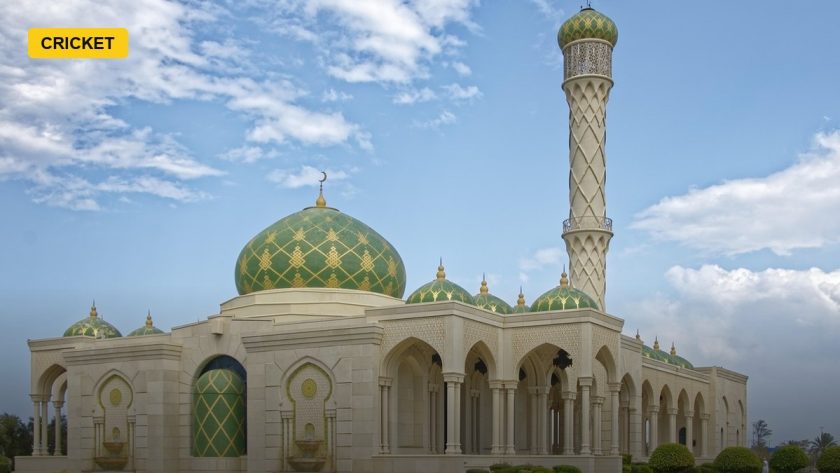
The Oman Cricket Academy Ground stages a tri-nation series between hosts Oman, Canada and Nepal from October 9-19, another entry in a crowded autumn calendar of associate-level cricket that is drawing little mainstream attention but shaping the competitive fortunes of three nations fighting for relevance in global qualification structures. The series runs alongside, but separately from, the main eight-team Cricket World Cup League Two competition in which Oman and Nepal are also both full participants.
Playing a tri-series alongside their League Two commitments gives Oman and Nepal extra competitive cricket in conditions reasonably similar to what they will face in the higher-stakes competition, effectively functioning as informal preparation even though the two tournaments carry entirely separate standings and consequences. Canada’s participation, by contrast, comes without that direct tie-in to League Two since the side currently sits further back in that table, meaning the tri-series functions purely as standalone competitive cricket and squad-building opportunity for a programme still working to climb back toward the sport’s more consequential qualification tiers.
Muscat’s Rise as a Reliable Neutral Hub
Oman has spent the past several years building a reputation as one of associate cricket’s most dependable hosts, its academy ground and national stadium facilities offering a consistent, well-maintained neutral venue for fixtures that smaller cricket boards elsewhere struggle to stage themselves. That reliability has made Muscat a default choice for tournaments involving multiple travelling nations, much as the UAE has become for Full Member Afghanistan’s home fixtures.
Canada’s Long Road Back
Canada’s participation continues a gradual rebuilding effort for a cricket programme that has historically underperformed relative to its South Asian diaspora-driven playing population, with Cricket Canada investing in a more structured domestic pathway in recent seasons after years of being overtaken by nations with smaller playing bases but more coherent administration.
Nepal’s Fan Base Outstrips Its Resources
Nepal brings arguably the most passionate and vocal support base in associate cricket to any fixture it plays, a fan culture that has turned Nepali cricket matches into some of the best-attended events at this level anywhere in the world, even though the country’s cricket board continues to operate with a fraction of the funding available to Full Member nations. That gap between fan enthusiasm and institutional resourcing remains one of the more frequently cited frustrations among Nepali cricket administrators and former players.
Why Tri-Series Beat Bilateral Fixtures at This Level
For boards operating on constrained budgets, a tri-nation format split across a single host venue dramatically reduces the per-match cost compared to three separate bilateral tours, which is why formats like this one have become increasingly common among associate and lower-ranked nations even when they generate less individual fixture prestige than a one-on-one series.
Competing Views on the Associate Cricket Calendar
Some administrators argue the proliferation of small tri-series like this one gives associate nations valuable, regular competitive cricket that would otherwise not exist given the ICC’s limited direct funding for bilateral fixtures outside the core qualification pathway. Others contend that too many of these fixtures carry no direct bearing on World Cup qualification, diluting player and broadcast attention away from matches, like the main League Two standings, that actually determine tournament qualification.
The ICC’s development funding model complicates the picture further, since associate boards receive differentiated support based on a tiered classification system that weighs factors like historical performance, playing population and existing infrastructure. Nepal and Oman, as full participants in the higher-profile League Two competition, receive a different level of institutional backing than Canada does as a nation still working to re-establish itself after years of underperformance, meaning a tri-series like this one can carry very different stakes for each participant even when the on-field contest looks evenly matched. That funding disparity, more than any single tri-series result, will likely continue to shape which of the three nations climbs fastest through cricket’s qualification pyramid over the coming cycles.
What Comes Next
Results from Muscat will feed into each board’s internal planning rather than any formal global standings, but strong individual performances could still influence selection for Oman, Canada and Nepal’s senior squads ahead of their more consequential Cricket World Cup League Two fixtures later in the year, including Nepal and Oman’s participation in the high-stakes Dubai leg of League Two later this month.
Photo: Makalu / PIXABAY via Pixabay