
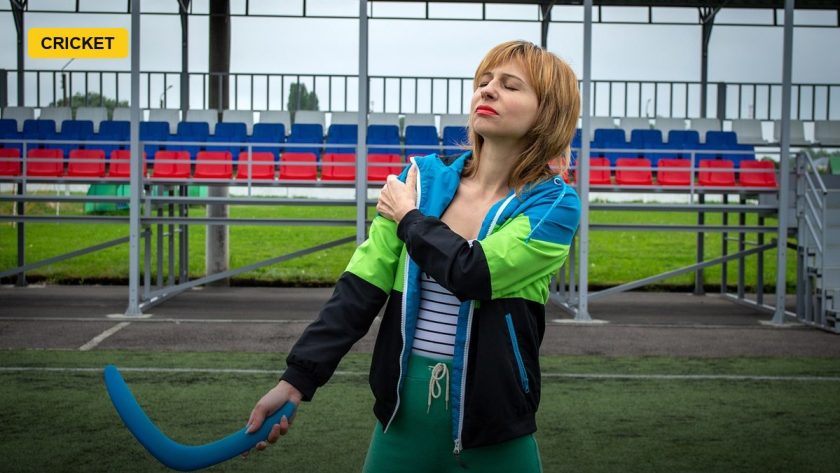
New Zealand all-rounder Rachin Ravindra dislocated his right shoulder on September 16, 2026, during a promotional shoot in Auckland, throwing his availability for the five-match T20I series against India into doubt. According to 1News and Wisden, the injury happened while Ravindra was filming a diving-catch sequence for a Sky Sport commercial and landed awkwardly on a safety mat, an incident New Zealand Cricket’s performance manager Mike Sandle described as “a bit of a freak accident.” The circumstances were unusual for a professional cricketer’s injury list: not a net session, not a match, but a scripted commercial shoot, with Ravindra attempting a diving stop for the advertisement when he dislocated the shoulder on landing. He was taken for immediate assessment, and the incident quickly became a story in its own right given how far removed it was from the normal risks of competitive cricket.
What the Medical Assessments Found
New Zealand Cricket said initial medical assessments carried out on September 18 found no major structural damage to the shoulder, which was treated as encouraging news given the alternative of a surgical repair that could have ended his international year. Even so, head coach Rob Walter and the medical staff declined to put a firm timeline on his return, saying it would depend on how Ravindra progressed through the first weeks of rehabilitation.
A Series Hanging in the Balance
The timing is awkward for New Zealand. India’s tour includes a five-match T20I series beginning October 22, and as of the most recent reporting it remained unclear whether Ravindra would be fit to feature in any of it. Losing him would be a significant blow — since his breakout at the 2023 Cricket World Cup, Ravindra has become one of New Zealand’s most important white-ball players, equally capable of opening the batting and bowling useful overs of left-arm spin, which makes him difficult to directly replace with a single like-for-like selection.
Ravindra’s Rise to Prominence
The injury is a setback precisely because of how quickly Ravindra has become central to New Zealand’s plans across formats. He first drew wide attention during the 2023 Cricket World Cup in India, where his century-laden run through the group stage turned him from a promising domestic all-rounder into a genuine international match-winner almost overnight. Since then he has been used as an opener in white-ball cricket while also contributing left-arm spin, a dual role that New Zealand’s team management has built around rather than treated as a luxury. That versatility is exactly why an injury to his shoulder — which affects both his fielding and his bowling action, not just his batting hand — carries more weight than a routine knock to a specialist batter would.
New Zealand’s Cautious Approach
Walter was explicit about not wanting to rush Ravindra back prematurely. “With a heavy schedule of Test cricket in the next six months, we don’t want to rush Rachin back sooner than we need to,” he said, according to Wisden’s report. That comment points to a broader scheduling concern: New Zealand have a demanding run of Test cricket on the calendar after the T20I series, and management appears more focused on having Ravindra fully fit for the longer, more physically taxing format than on forcing a premature return for a white-ball series against India.
Two Ways of Looking at the Setback
Some New Zealand commentators have treated the injury as a minor, almost amusing footnote — a freak mishap unrelated to cricket workload that says nothing about Ravindra’s underlying fitness or form. Others have used it to reopen a broader debate about the commercial demands placed on contracted international players, questioning whether boards and sponsors do enough risk assessment before asking athletes to perform physically demanding stunts for advertising content outside of structured training environments. Sandle acknowledged this angle directly, saying the board would review its own processes around promotional shoots involving contracted players following the incident.
What’s Next
New Zealand Cricket is expected to make a call on Ravindra’s availability for the T20I series closer to the October 22 opener, based on how his rehabilitation progresses in the coming weeks. If he is ruled out, selectors will need to decide whether to promote a specialist replacement or redistribute his all-round responsibilities across the existing squad. Longer term, the episode is likely to prompt tighter guidelines from New Zealand Cricket — and potentially other boards — on what activities centrally contracted players can safely undertake for commercial partners during an international season. There is also a selection ripple effect to watch: if Ravindra misses the India series, New Zealand will need to decide whether a straight batting replacement is enough or whether they rebalance the XI’s bowling options to cover the overs he would otherwise have sent down, a decision that could shape squad selection well beyond this single series.
Photo: Sunriseforever / PIXABAY via Pixabay