
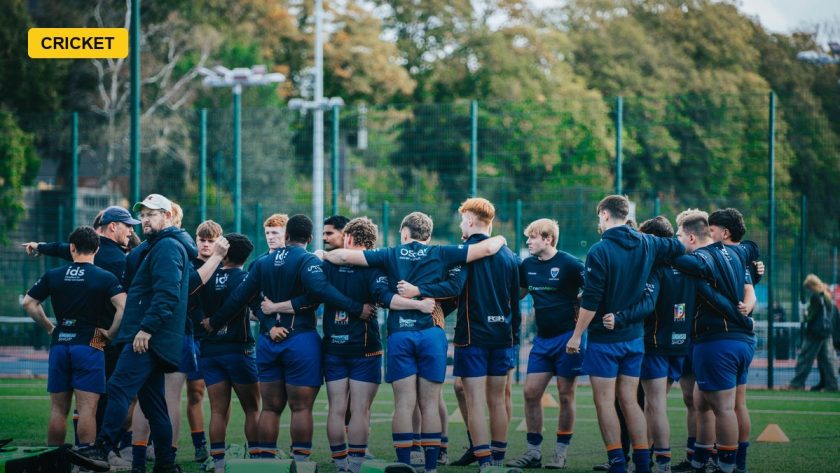
New Zealand have named a 16-man squad for their upcoming white-ball assignment against India without first-choice middle-order batter Rachin Ravindra, who dislocated his right shoulder during a promotional photo shoot ahead of the series. Mitchell Santner will captain the side in his absence, leading a touring party that New Zealand head coach Rob Walter described as near full-strength despite the setback.
An Unusual Way to Lose a Key Player
Ravindra’s injury, sustained away from the field entirely, is an unwelcome reminder of the physical demands placed on modern international cricketers even outside match play. His recovery is expected to take around six weeks, with selectors targeting a return in time for the ODI leg of the tour, which begins on November 4, rather than the opening T20I series. The timing is particularly painful given Ravindra’s rise as one of New Zealand’s most important white-ball batters over the past two years.
A Packed Tour Across Three Formats
The tour itself is one of the most demanding assignments on New Zealand’s calendar this cycle, comprising five T20Is, five ODIs and two Tests, spread across four cities over eleven days for the T20I leg alone. The series opens on October 22 at Hagley Oval in Christchurch, before moving through Wellington, Auckland and Hamilton, giving both boards a comprehensive look at squad depth across formats inside a single tour window.
Continuity From the World Cup Run
Thirteen players from the squad that finished runner-up to India in the 2026 ICC Men’s T20 World Cup have been retained for this series, reflecting selectors’ preference for continuity over wholesale changes following that tournament. Michael Bracewell and Adam Milne return to the squad after missing the World Cup through injury, adding experienced options to a touring party that also includes Finn Allen, Devon Conway, Daryl Mitchell and Glenn Phillips.
Further Bowling Absences
Ravindra is not the only notable absentee. Fast bowler Ben Sears was not considered for selection as he continues his recovery from an ankle injury, further thinning New Zealand’s pace options heading into a series against an Indian batting line-up that has looked increasingly comfortable against medium-pace bowling in home conditions over the past two years.
A Sceptical View From Outside the Camp
Some former New Zealand players have questioned whether describing the squad as near full-strength undersells the impact of losing both Ravindra and Sears for the opening assignments of the tour. Ravindra in particular has been one of New Zealand’s most important middle-order players in global tournaments over the last two years, and critics argue that his absence, even if temporary, removes a crucial counter-attacking option against India’s spin-heavy home attack.
What’s Next
With Santner leading the side in the T20Is and the squad built around continuity from the World Cup campaign, New Zealand will be looking for early results to offset the disruption of the pre-series injuries. If Ravindra’s recovery stays on track for a November 4 return, New Zealand could still field close to their first-choice line-up for the ODI and Test legs of the tour, which carry additional significance given both series feed into the ongoing World Test Championship cycle and broader 50-over rankings picture ahead of 2027.
Photo: Ollie Craig / PEXELS via Pexels