
Rajasthan Royals and Chennai Super Kings have finalised one of the most significant player trades in Indian Premier League history, sending wicketkeeper-batter Sanju Samson to CSK in exchange for allrounders Ravindra Jadeja and Sam Curran ahead of the IPL 2026 season. The swap ends Samson’s 11-year association with Rajasthan, the only franchise he had represented since making his IPL debut, and closes out Jadeja’s association with Chennai that stretched back to 2012, barring the two years the franchise was suspended.
How the trade came together
Samson had signalled after IPL 2025 that he wanted a change of franchise, having captained Rajasthan since 2021 without delivering a title. CSK managing director Kasi Viswanathan said the decision to release Jadeja and Curran was made after direct consultations with both players, describing it as a move taken with "mutual understanding" rather than a unilateral call from the franchise. Rajasthan, for their part, had retained Samson for INR 18 crore ahead of the 2025 season, the same figure CSK had committed to Jadeja, while Curran had been bought at auction for INR 2.4 crore. Samson had led Rajasthan through four seasons, taking over the captaincy in 2021 and steering the franchise to the 2022 final without going the final step, a near-miss repeatedly cited in Indian cricket media as backdrop to his decision to seek a fresh start elsewhere.
The revised numbers behind the deal
Under IPL trade rules, Samson moves to CSK for the same retention fee he commanded at Rajasthan, but Jadeja’s valuation has been revised upward to INR 14 crore as part of the paperwork accompanying the switch. Curran’s fee is unchanged. The adjustments reflect how trade valuations are recalculated relative to each squad’s overall purse rather than simply mirroring the players’ most recent auction or retention prices. The IPL’s governing council signed off on the revised figures as part of the standard trade-approval process, which requires both franchises to submit the swap for review before it becomes official ahead of the new season.
What each side gains on the field
For Chennai, adding Samson gives the franchise a wicketkeeper-batter capable of anchoring both formats of an innings, a role they have searched to fill convincingly since the decline of their earlier keeper-batting options. For Rajasthan, recovering Jadeja restores a bowling allrounder with title-winning pedigree at the franchise where he started his IPL career, while Curran adds seam-bowling depth and left-handed batting impact to a squad that had leaned heavily on Samson’s runs in recent seasons. Jadeja’s return to the franchise where he made his name also restores a senior dressing-room presence for Rajasthan at a time when the squad is losing its long-serving captain, something team management has pointed to as an underrated benefit of the deal beyond the raw playing statistics.
Two views on the gamble
Franchise insiders have framed the trade as addressing specific squad gaps rather than a reaction to poor form, noting Jadeja remains a proven match-winner and Samson a batter still building a return on India’s white-ball radar. Independent analysts covering the auction cycle have been more skeptical, suggesting Chennai are betting on a 31-year-old wicketkeeper to anchor a rebuild while Rajasthan risk disrupting the middle order continuity Samson had provided as captain for four seasons. Both camps agree the trade is unusually bold for two franchises that have generally preferred auction-day business over mid-cycle swaps of this scale. Both franchises have also had to manage supporter reaction, with Rajasthan’s fanbase in particular vocal about losing a captain who had become closely identified with the team’s identity over more than a decade of service.
Context within a busy trade window
The Samson-for-Jadeja-and-Curran swap is the highest-profile of several trades finalised in the buildup to the IPL 2026 mini-auction in Abu Dhabi, where ten franchises later added a combined 77 players across overseas and domestic categories. It follows a pattern seen across recent IPL cycles of franchises using trades to solve specific role gaps before turning to the auction floor for squad depth, rather than relying solely on retentions and bidding. With the mini-auction adding dozens of overseas and domestic players across the ten squads for a combined outlay running into hundreds of crores, the Samson trade is expected to be remembered as the moment that set the tone for how aggressively the rest of the league approached squad rebuilding this cycle.
What comes next
Samson will report to Chennai’s pre-season camp as the franchise looks to integrate him alongside its existing core ahead of the new season, while Rajasthan begin the process of installing a new captain after four years under Samson’s leadership. Both franchises have said they expect the reshaped squads to be settled well before their opening fixtures, with selectors on both sides now shifting attention to how the trade reshapes their batting and bowling balance heading into a long IPL season. Whether the swap proves decisive will likely not be clear until the results start coming in, but the scale of the move has already reset expectations for what franchises are willing to do outside the auction room.
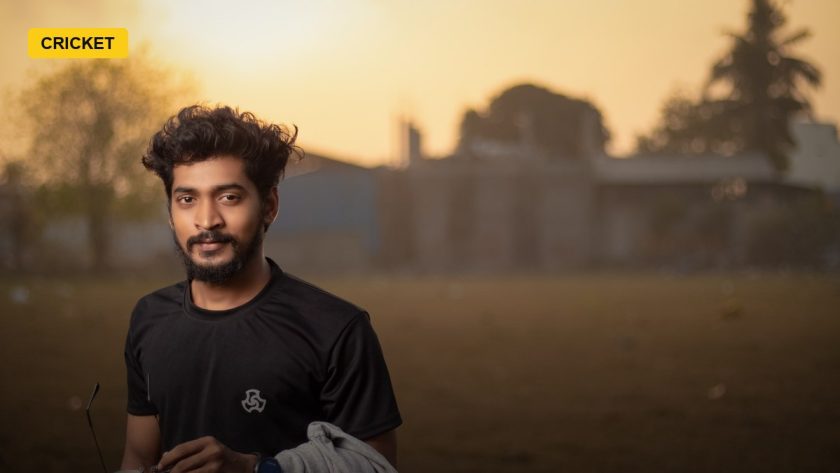
Photo: T K DHAMU / PEXELS via Pexels