
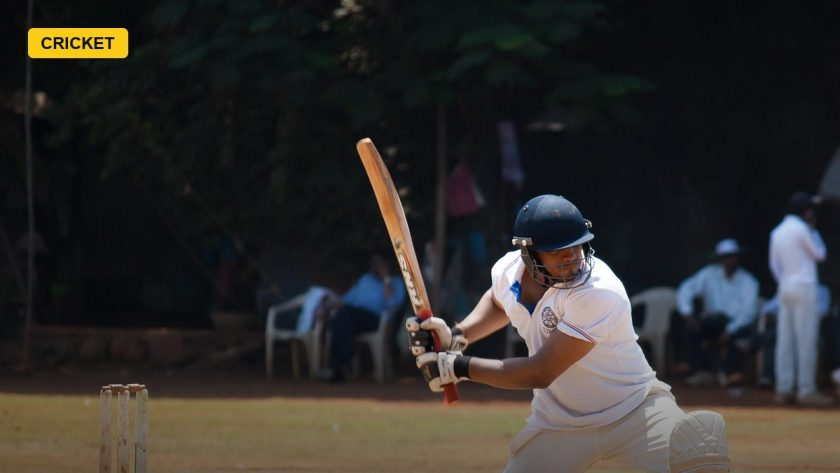
Shreyas Iyer announced his credentials as India’s T20I captain in emphatic fashion on October 6, 2026, blasting an unbeaten 102 off 43 balls to steer India to an eight-wicket win over West Indies in the series opener at Lucknow’s Ekana Stadium. The victory, India’s first step in a five-match series running through October 17, came with India’s regular white-ball leadership structure still settling: Shubman Gill captains the side in ODIs, while Iyer has been handed the reins for the shorter format.
How the Match Unfolded
Put in to bat first, West Indies were bowled out for 171 with five balls of their innings unused, a total built around contributions from captain Shai Hope, who made 52, and Sherfane Rutherford, who scored 56. The tourists had slipped to 44 for 3 inside the powerplay before the Hope-Rutherford partnership rebuilt the innings, only for India’s bowlers to claw back control in the closing overs. In reply, India cruised to 172 for 2 in just 14.4 overs, with Iyer and Ishan Kishan — who finished unbeaten on 37 — sharing an unbroken 137-run stand for the third wicket that effectively ended the contest as a contest.
A Debutant Makes His Mark
Beyond Iyer’s innings, the standout story of the match belonged to Naman Dhir, who took three wickets for 31 runs on his T20I debut, repeatedly breaking partnerships just as West Indies looked to build momentum. Axar Patel (2 for 26) and Kuldeep Yadav (2 for 33) provided support, while Arshdeep Singh picked up one wicket, giving India’s bowling attack a complete look even without several of their first-choice pace options rested for the series.
Why Iyer’s Century Matters Beyond the Scoreline
A maiden T20I hundred from a captain in just his first assignment leading the side in a bilateral series is a significant marker, both for Iyer personally and for India’s broader succession planning in white-ball cricket. With senior players like Rohit Sharma and Virat Kohli having stepped back from the shortest format, India has spent the past year auditioning multiple candidates for long-term T20I leadership, and an innings combining calculated strike rotation early with explosive hitting late — ten fours and six sixes in total — is exactly the template selectors have been looking for.
West Indies’ Familiar Problem
For West Indies, the defeat highlighted a recurring issue: once Hope and Rutherford were separated, the middle and lower order struggled to add meaningful late-innings impact, leaving the total below what the conditions at Ekana Stadium would typically support. Caribbean cricket commentators have noted that Hope’s dual responsibility as captain across both the ODI and T20I legs of the tour places significant weight on a batting unit that remains thin once its two most experienced players are dismissed, a pattern that, if repeated, could make a series turnaround difficult.
The Series Context
This T20I series follows a three-match ODI leg that concluded in early October, and the five matches are being staged across five different venues — Lucknow, Ranchi, Indore, Hyderabad and Bengaluru — through October 17. Staging matches across multiple cities rather than concentrating them in one or two venues has become a deliberate BCCI strategy in recent years, spreading live cricket access to a wider domestic fanbase between marquee series.
The timing of this series also matters logistically. India moves almost directly from this assignment into a lengthy tour of New Zealand, which includes five further T20Is starting October 22, followed by a five-match ODI series and two Tests — meaning selectors are already managing workload and form considerations across multiple formats and continents within the same month. For West Indies, the five-match T20I leg caps a tour that began with the ODI series in late September, and Shai Hope’s responsibility across both formats has drawn comparisons to how other touring captains have struggled to maintain batting output when also carrying the tactical and media load of leadership for the full length of a bilateral tour.
What’s Next
India will look to seal the series in the remaining four matches, with Iyer’s performance in Lucknow likely to strengthen his case to retain the T20I captaincy heading into India’s subsequent white-ball assignment in New Zealand later in October. For West Indies, the quick turnaround before the second T20I leaves little time to address the batting imbalance exposed in the opener, putting pressure on the middle order to contribute more significantly than they managed in the series’ first match. A series win for India would also add weight to the selectors’ broader strategy of auditioning a settled T20I core well ahead of the next global tournament cycle.
Photo: PDPics / PIXABAY via Pixabay