
Smriti Mandhana walked out to bat in Nisshin on September 20 chasing more than just a semifinal win. Twenty-nine deliveries into her innings against Bangladesh at the Women’s Asian Games, the India opener flicked a single through square leg to move to 4,759 runs in Women’s T20 Internationals, edging past New Zealand veteran Suzie Bates’ long-standing mark of 4,758. By the time she was dismissed for 37 off 19 balls, Mandhana had stretched the new record to 4,788 runs, a tally built across more than a decade of white-ball cricket for India.
A Milestone Innings In Nisshin
The knock itself was vintage Mandhana: quick, controlled, and largely risk-free until a miscued pull found the fielder at deep square leg. India went on to post a competitive total and beat Bangladesh to advance to the final, where they faced Sri Lanka two days later. For Mandhana personally, the innings capped a run of scores that has kept her among the most consistent batters in the format since her international debut in 2013.
The Numbers Behind The Record
Bates, the previous record holder, had occupied the top spot for years as one of the format’s most durable performers, and her 4,758 runs had long looked like a benchmark few could reach. Mandhana’s 4,788 now sits clear at the top, but the number that frames her wider legacy is 10,950 — her combined total across ODIs and T20Is, made up of 5,411 ODI runs and 4,751 T20I runs (a figure that has since grown with the record-breaking knock and beyond). She reached the outright lead in women’s international run-scoring, across formats, during India’s 2026 Asia Cup fixture against Hong Kong earlier this year, meaning the Bangladesh innings was her second major scoring landmark of the season. Her résumé also includes 14 ODI centuries and two T20I hundreds, and she currently sits fifth in the ICC Women’s T20I batting rankings while topping the equivalent ODI charts.
From Sangli To The Top Of The World
Mandhana’s rise has been a slow accumulation rather than a single breakout moment. She debuted for India in 2013 as a teenager from Sangli in Maharashtra and became a fixture in the top order within a couple of years, eventually taking over the vice-captaincy and later captaincy duties across formats. Coaches and teammates have consistently pointed to her balance between orthodox technique and attacking intent as the reason she has stayed at the top for so long, adapting her game as bowling attacks and franchise leagues around the world have evolved. The Women’s Premier League, where she has captained Royal Challengers Bengaluru, is often cited as a factor in sharpening her game against varied bowling in high-pressure knockout cricket, translating into sustained international form.
Asian Games Gold Completes A Golden Week
Two days after the record-breaking innings, India Women beat Sri Lanka in the final at Nisshin on September 22 to win the Women’s Asian Games cricket gold medal, giving the squad a landmark week that combined an individual milestone with a team triumph. The tournament marked one of the first major multi-sport showcases for women’s T20 cricket in Asia, and India’s dominant campaign — capped by the final win — added to a year that has already included the Asia Cup title.
Two Views: Milestone Versus Team Success
Former players and commentators have offered two broad readings of the week. Some, including several ex-India cricketers writing in the build-up to the final, argued that individual landmarks like Mandhana’s record matter less than team results, and that the Asian Games gold medal will be remembered as the bigger achievement for Indian cricket’s growth in the region. Others, particularly former New Zealand players reacting to Bates losing her long-held record, have framed Mandhana’s achievement as a marker of how far the women’s game has professionalised since Bates set her mark, with more matches, more leagues and more depth in modern schedules making such longevity records increasingly rare rather than easier to break.
What Comes Next For Mandhana And India
With the Asian Games gold secured and the T20I run record now hers, attention turns to India’s packed 2026-27 international calendar, including bilateral series and preparation for the next ICC Women’s T20 World Cup cycle. At 29, Mandhana is expected to remain India’s primary run-scorer for several more years, and selectors will be watching whether the added workload from franchise cricket and international duty can be managed without denting the form that has carried her to the top of the record books. For now, India’s think tank will simply be pleased to have both a fit, in-form opener and a fresh gold medal to build momentum from.
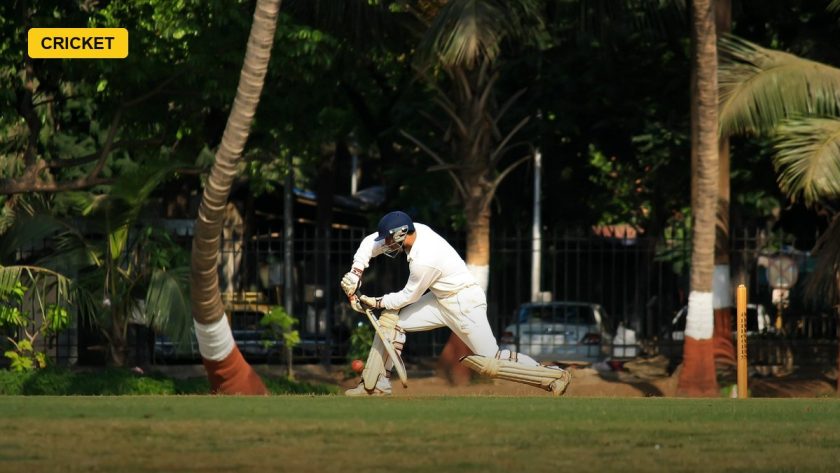
Photo: PDPics / PIXABAY via Pixabay