
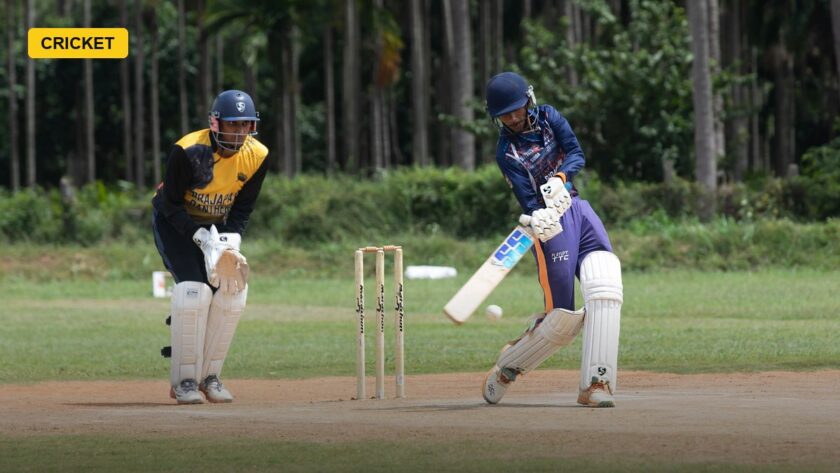
India’s women’s cricket team opened a historic first-ever bilateral series against Zimbabwe on October 16, 2026, with the three-match T20I leg beginning in Raipur under new full-time captain Smriti Mandhana, who was appointed to lead the side in white-ball cricket on October 6 following Harmanpreet Kaur’s departure from the role. The six-match tour, three T20Is in Raipur and three ODIs in Baroda, marks the first time the two nations have met in a bilateral series, with the ODI leg also counting toward the ICC Women’s Championship 2025-29, a qualification pathway for the Women’s Cricket World Cup.
A Leadership Change Rooted in a Review Meeting
Mandhana’s appointment followed a BCCI review meeting in Guwahati, where board secretary Devajit Saikia reportedly indicated a leadership change was becoming inevitable, with subsequent reporting tying the shift to questions around Harmanpreet Kaur’s form, fitness, and reported friction within the squad. Kaur has said she intends to continue playing for the national team despite stepping down from the captaincy, a transition that keeps one of India’s most experienced players in the dressing room even as team leadership shifts to a new generation.
Why This Series Is a Milestone
Zimbabwe’s tour represents the first-ever bilateral cricket series between the two women’s national teams, a notable gap in the cricketing calendar given both countries’ long histories in the sport, and one that reflects how unevenly bilateral scheduling has historically been distributed among full-member nations’ women’s programs. For Zimbabwe, captained by Josephine Nkomo with an unchanged 15-player squad from a recent series win over the West Indies, the tour offers a rare opportunity to test their squad against one of the sport’s deepest talent pools.
Mandhana’s First Assignment as Permanent Captain
While Mandhana has previously led India in limited stand-in capacities, including when Harmanpreet Kaur was unavailable due to injury, this series marks her first assignment as the permanent, board-appointed captain across both white-ball formats. That distinction matters for how the series will be read: results and tactical decisions will be assessed not as temporary stand-in choices but as early signals of Mandhana’s approach to team selection, batting order, and on-field strategy as the team’s long-term leader heading toward future ICC events.
What’s at Stake in the ODI Leg
Beyond the historic nature of the fixture, the three ODIs in Baroda carry direct implications for India’s position in the ICC Women’s Championship, the primary qualification structure for the next Women’s Cricket World Cup. Points earned or dropped against Zimbabwe will factor into India’s overall standing in that championship table, giving the back half of the tour tangible stakes beyond the symbolic weight of a first-ever meeting between the sides.
How the Transition Has Been Received
Reaction to the captaincy change has been mixed among former players and commentators, with some framing Mandhana’s appointment as a natural and overdue transition for a team looking toward its next cycle, while others have raised questions about dressing-room dynamics following Kaur’s reported friction with teammates and how that might affect team cohesion in the near term. Mandhana herself has not publicly addressed the circumstances of the leadership change in detail, focusing instead on preparations for the Zimbabwe series.
What’s Next
With the T20I leg running through October 20 in Raipur and the ODI leg following in Baroda from October 23-28, the series gives selectors and fans an early look at how India performs under Mandhana’s permanent leadership ahead of a schedule that will eventually include other ICC Women’s Championship fixtures. How the team manages Kaur’s continued presence in the squad without the captaincy, alongside Mandhana’s own adjustment to full-time leadership, will likely remain a storyline well beyond this series’ conclusion.
Photo: Anil Sharma / PEXELS via Pexels