
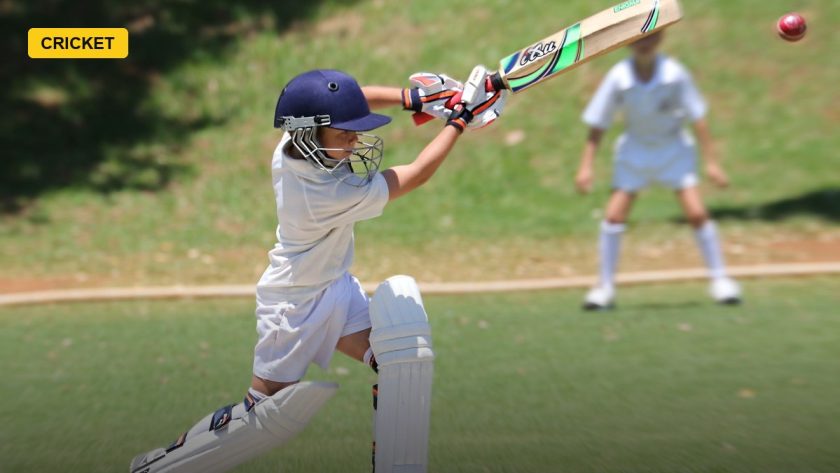
Buried inside the England and Wales Cricket Board’s 39-player contracts announcement on October 12 was a smaller, more personal story: Thomas Rew, just 18 years old, is now the youngest cricketer on the entire list, awarded one of six brand-new England Development Contracts handed out this year. For a teenager who was captaining the Young Lions only months ago, it is the first formal signal that English cricket sees him as part of its long-term plans.
From Under-19 final to the senior pathway
Rew’s path onto the list traces directly back to his performances at the ICC Men’s Under-19 Cricket World Cup earlier in 2026, where he captained England to the final against Australia and scored a century in that match, according to ECB material published alongside the contracts announcement. Leading a youth team to a World Cup final is one thing; doing it while scoring a hundred in the final itself is the kind of performance selectors notice, and it appears to have fast-tracked his recognition within the England system.
What a development contract actually means
England Development Contracts sit a tier below the 30 full central contracts awarded in the same announcement, functioning as a bridge between domestic cricket and the senior international set-up. Rew joins five other first-time development players — James Coles, Mason Crane, Ben McKinney, Liam Patterson-White and Matthew Revis — in a group the ECB clearly hopes will feed into the senior squad over the next two to three years. Unlike the senior list, which features established figures such as Joe Root, Harry Brook and Jos Buttler, the development tier is explicitly about potential rather than proven international output.
A crowded pathway for young wicketkeeper-batters
Rew’s specific route to the top is complicated by competition. England’s senior wicketkeeping picture already features the likes of Jamie Smith, who holds a full central contract, meaning Rew’s immediate opportunities at international level are likely to come through age-group cricket, England Lions tours, and county cricket rather than a fast-tracked senior debut. Still, English cricket has a recent history of fast-tracking keeper-batters who show early promise, and the development contract gives the ECB’s support staff — including batting lead Mike Yardy — formal responsibility for his progress.
The optimist’s case versus the skeptic’s caution
Supporters of fast-tracking players like Rew argue that English cricket has, in the past, been too slow to invest in young domestic talent, instead relying on late-blooming county veterans, and that locking in development contracts early builds loyalty and a clearer technical pathway. Skeptics counter that a single standout Under-19 tournament, however impressive, is a small sample against the demands of first-class and international cricket, and that England’s history includes plenty of age-group stars who never translated that form upward. The truth likely sits in between: a development contract is a bet on potential, not a guarantee, and the ECB’s own structure treats it that way by keeping these deals separate from the senior pool.
The bigger picture: an ECB betting on youth across the board
Rew’s elevation is not an isolated gesture. The same contracts announcement included seven brand-new senior central contracts — for players such as Tom Banton, Sam Cook and Jordan Cox — suggesting the ECB is deliberately widening its base of contracted players across both tiers at once, rather than making isolated individual bets. Coupled with the return of seamer Ollie Robinson and the continued development of leg-spinner Mason Crane after an eight-year absence from the England set-up, the picture is of a board trying to build depth across multiple generations simultaneously.
What’s next for Rew
The immediate test for Rew will be translating age-group success into consistent performances in county cricket over the coming domestic season, the traditional proving ground before any Lions call-up. With England’s Test tour of South Africa and white-ball tour of Australia both on the horizon for the senior squad, Rew is unlikely to feature this winter — but if his Under-19 World Cup final hundred is any indication of his temperament under pressure, English cricket may not have to wait long to see whether the development investment pays off.
Photo: Patrick Case / PEXELS via Pexels