
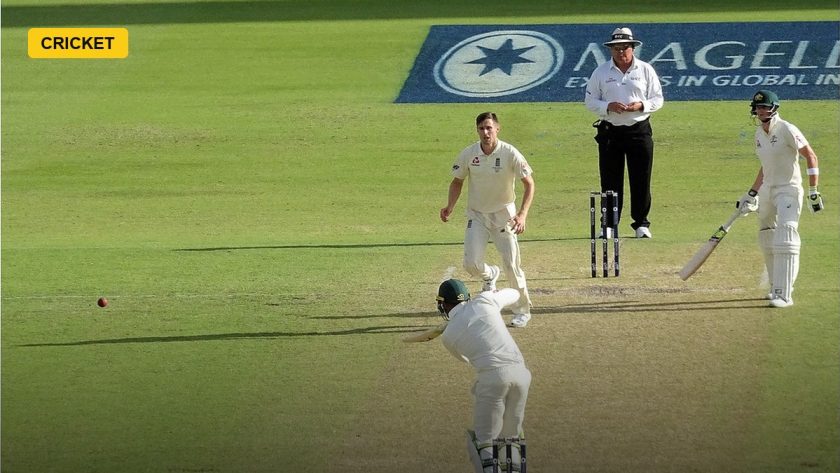
Usman Khawaja’s international career ended exactly as he wanted it to: in a winning Ashes side, on home soil, in front of a Sydney crowd that watched him kneel down and kiss the pitch one final time. The 88th and final Test of his career, part of Australia’s 4-1 series victory over England, closed out a journey that began at the same ground in 2011 and made him Australia’s first Muslim Test cricketer.
Announcing the Exit on His Own Terms
Khawaja announced on January 2, 2026, that he would retire from international cricket after the fifth and final Ashes Test in Sydney, giving himself, his family and Australian cricket fans a clear runway to prepare for a proper send-off rather than a sudden mid-series departure. The announcement allowed the Sydney Cricket Ground crowd to mark the occasion appropriately, and it gave Khawaja the rare gift among modern cricketers of a farewell Test played entirely on his own schedule.
An Emotional Finish to a Dominant Series
Australia sealed the fifth Test by five wickets, chasing down a target of 160 with Cameron Green finishing unbeaten on 22 and Alex Carey on 16, completing a 4-1 series triumph over England. As the winning runs were struck, attention shifted to Khawaja, who knelt and kissed the pitch before waving to the crowd, a moment made more affecting by cameras catching his wife, Rachel McLellan, in tears in the stands. It was, by most accounts, one of the more emotionally resonant farewells in recent Ashes history, closing a series victory and an individual career in the same instant.
A Legacy Beyond the Statistics
Khawaja’s place in Australian cricket history extends beyond his batting output. As the country’s first Muslim Test cricketer, his career carried representational significance well beyond the boundary rope, and he used his public platform at various points to speak openly about racial stereotyping he encountered during his career, remarks he repeated in the buildup to his retirement. His technical solidity as an opening batter, honed over a long domestic and international career, made him a dependable fixture at the top of Australia’s order through multiple Ashes cycles, even as his path to a settled place in the side was not always straightforward earlier in his career.
Two Perspectives on His Career Arc
Teammates and selectors have generally praised Khawaja’s late-career consistency, noting that some of his best cricket came after the age at which many openers begin to decline, a reflection of disciplined preparation and adapted technique. Some critics, looking back across his full career, have pointed to earlier stretches of inconsistency and extended periods out of the side as evidence that his path to becoming a first-choice opener was longer and rockier than his triumphant farewell might suggest, a tension between the arc of his full career and the way it concluded.
The Racial Stereotyping Conversation He Leaves Behind
Khawaja’s willingness to discuss racial stereotyping publicly in the lead-up to his retirement added a layer of significance to his farewell beyond cricketing performance, prompting renewed discussion within Australian cricket about inclusion and representation at the elite level. His comments, made as he prepared to step away, are likely to continue resonating in conversations about diversity in a sport historically slow to reflect the multicultural makeup of the country it represents.
What’s Next
With Khawaja’s retirement, Australia’s selectors must settle on a new opening partnership heading into future assignments, a search complicated by the fact that few candidates offer his blend of technical solidity and experience against elite bowling attacks. For Khawaja personally, his post-retirement path remains open, though his public comments about representation and inclusion suggest he may continue to be a visible voice in Australian cricket discourse even without a bat in hand. His farewell, delivered on his own terms in a winning cause, closes one of the more distinctive careers in recent Australian cricket history.