
The Women’s Big Bash League’s twelfth season, Weber WBBL|12, begins October 29 and runs through a December 5 final, with Cricket Australia releasing the full fixture list back in July. The Melbourne Stars open the tournament against the Hobart Hurricanes, with the Brisbane Heat facing the Sydney Sixers in another opening-round fixture on October 29 and 30, kicking off just over five weeks of franchise cricket across the country’s major venues.
A Schedule Built for Weekend Audiences
BBL general manager Alistair Dobson said the 2026-27 season has been deliberately reshaped to include fewer morning matches and more weekend fixtures, a scheduling shift aimed at growing live attendance and broadcast audiences after several seasons of experimentation with match timing. The change reflects Cricket Australia’s ongoing effort to treat the WBBL’s broadcast slot as a strategic asset rather than a secondary product scheduled around the men’s Big Bash League, a repositioning officials say has been years in the making.
Competing Leagues Are Reshaping the Calendar
Dobson’s comments came explicitly in the context of rising competition from India’s Women’s Premier League and England’s the Hundred, both of which have expanded their own commercial ambitions and player payrolls in recent seasons. Despite that competitive pressure, Dobson and other Cricket Australia officials have continued to describe the WBBL as the sport’s premier women’s domestic competition, pointing to its longer history and broader international player pool as its central advantages over younger rival leagues still building out their own commercial infrastructure.
Franchise Uncertainty Hangs Over Melbourne
The season’s backdrop includes unresolved questions about the Melbourne Renegades’ and Melbourne Stars’ ownership structures, with reporting suggesting that a privatisation process now underway could mean this WBBL season is the last played under the franchises’ current ownership model. That uncertainty adds a layer of stakes to the tournament’s early Melbourne-based fixtures, including the Stars’ campaign opener against Hobart, with some fans and former players openly questioning what privatisation could mean for ticket prices and grassroots pathway funding.
The Case for Urgency
Advocates of faster investment into the WBBL argue that the league’s talent pool and fan growth are being capped by comparatively modest player payrolls relative to the WPL, which has attracted some marquee international players with higher compensation. Proponents of privatisation contend that private capital could accelerate stadium upgrades, marketing spend and player wages in ways Cricket Australia’s centralized ownership model has moved on only slowly, and point to the WPL’s rapid salary growth since its launch as evidence of what private capital can achieve quickly.
The Case for Caution
Skeptics of rushing into franchise privatisation warn that selling ownership stakes risks diluting the WBBL’s integration with the broader domestic cricket pathway that has made Australia’s women’s national team the sport’s dominant force for over a decade, arguing that short-term capital gains could come at the cost of long-term talent development infrastructure that private owners have less incentive to fund over multi-decade timelines.
Players Caught in the Middle
For the players themselves, the ownership uncertainty adds a layer of unpredictability to contract negotiations that typically would focus purely on performance and salary cap considerations. Several current Melbourne Stars and Renegades players have said publicly they are trying to focus on the season rather than the ownership question, even as agents for some squad members have reportedly begun factoring potential privatisation into longer-term contract discussions.
What’s Next
With squads still being finalized across several franchises, including a new head coaching appointment at the Melbourne Stars, the season’s opening weeks will be watched as much for off-field signals about franchise ownership as for on-field form. A strong opening fortnight at the gate and in ratings would strengthen Cricket Australia’s hand in any eventual privatisation negotiations; a weak one could accelerate the push toward private ownership that some franchises are already exploring as an alternative revenue path. Cricket Australia has not set a public timeline for resolving the ownership question, leaving it as an open storyline running alongside the season itself, one that broadcasters and sponsors are also said to be monitoring closely given the commercial implications of any change in ownership structure, with at least one broadcast partner reportedly seeking assurances about contract continuity regardless of how the ownership question is eventually resolved.
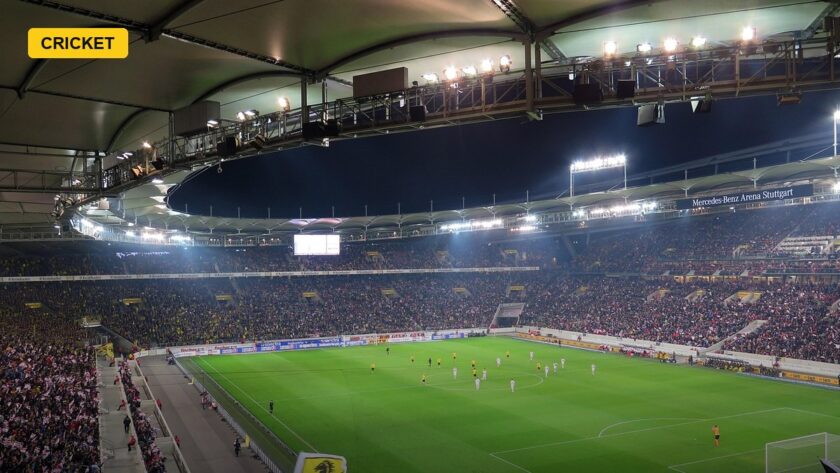
Photo: moerschy / PIXABAY via Pixabay