
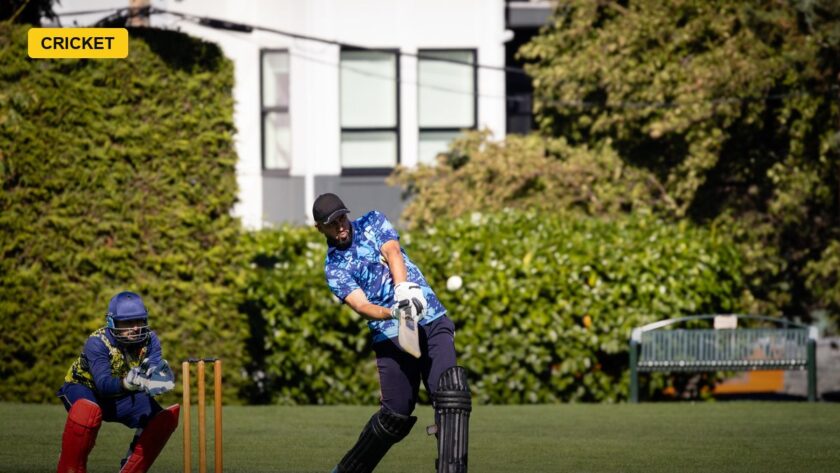
The Women’s Big Bash League kicks off its new season on October 29 at CitiPower Centre in Melbourne, where the Renegades will host the Thunder in a Victorian derby to open the tournament. The fixture marks the start of a six-week domestic window that has become Australia’s primary pathway for both established internationals and emerging talent, and this year’s edition arrives with an unusually tight race at the top after several franchises reshuffled their rosters in the off-season. Eight teams will contest the group phase before the competition narrows to a finals series in December, and this year’s opener carries extra weight given how close the race for the top four was at the end of last season.
A Derby Opener With History
Renegades-Thunder clashes have produced some of the WBBL’s tightest finishes over the competition’s history, and both clubs have spent the back half of 2026 retooling their top orders. The Renegades missed the knockout stage last season despite a strong net run rate in the group phase, a result that prompted a coaching review over the winter that led to a new batting consultant joining the staff. The Thunder, by contrast, reached the semi-finals before bowing out, and have kept the bulk of that squad intact heading into the new campaign, opting for continuity over wholesale change after a season many at the club viewed as a platform to build on rather than a disappointment.
International Reinforcements Arrive Early
Both clubs have confirmed their full complement of overseas signings will be available from day one, a change from previous seasons when national-team call-ups and bilateral series overlap often delayed debuts by a match or two. With South Africa, England and New Zealand women’s sides not engaged in bilateral cricket during the WBBL’s opening fortnight this year, squads are expected to field their strongest available XIs from the opening round, lifting the standard of the derby fixture considerably. Club recruitment staff have pointed to this scheduling gap as a rare stroke of luck, since in past seasons as many as three or four overseas players across the competition have missed opening rounds entirely due to clashing international commitments.
The Bowling Attacks Set to Decide the Opener
Both Melbourne franchises have invested in depth seam-bowling over spin this off-season, a shift that mirrors a wider trend across the competition toward attacking new-ball options on used Australian wickets in late October and November, when morning dew and cooler evenings tend to assist seamers. Franchise analysts have pointed to the Renegades’ new-ball pairing as the key swing factor in a ground where totals have traditionally hovered in the 140-160 range rather than the high-scoring shootouts seen at some of the WBBL’s smaller venues. The Thunder’s recruitment of an additional overseas quick over the winter was a direct response to that trend, with the club’s head coach saying publicly that matching seam-bowling depth was a higher priority this year than adding another top-order bat.
Broadcasters and the League’s Growing Footprint
This season’s WBBL schedule has been compressed slightly compared to recent years, with matches more tightly clustered across host cities to reduce travel and allow for a longer finals window in December. League organizers have pointed to rising attendance figures from last season as justification for extending free-to-air broadcast coverage to every match this time around, a step up from the partial coverage model used in earlier editions, and a change officials say was driven directly by sponsor demand for guaranteed reach across the full group stage.
Two Views on the League’s Direction
Supporters of the expanded broadcast deal argue it is overdue recognition of the WBBL’s role in developing players who go on to anchor national teams, pointing to the number of current international regulars who came through the competition’s early seasons as evidence the investment pays off well beyond the six weeks of the tournament itself. Critics within domestic cricket circles counter that player workload remains a concern, with several internationals now shuttling between WBBL commitments and simultaneous national assignments elsewhere, raising fatigue and injury questions that administrators have yet to fully address heading into a packed women’s cricket calendar through the end of 2026.
What Comes Next
The Renegades-Thunder opener will set an early tone for a season organizers hope will build on last year’s attendance gains, with the group stage running through late November before finals in December. For both Melbourne clubs, a strong start carries extra weight this year given last season’s near-misses, and the opener’s result will shape early momentum heading into a congested middle stretch of the schedule where sides often play every second or third day across multiple cities.
Photo: Lorien le Poer Trench / PEXELS via Pexels