
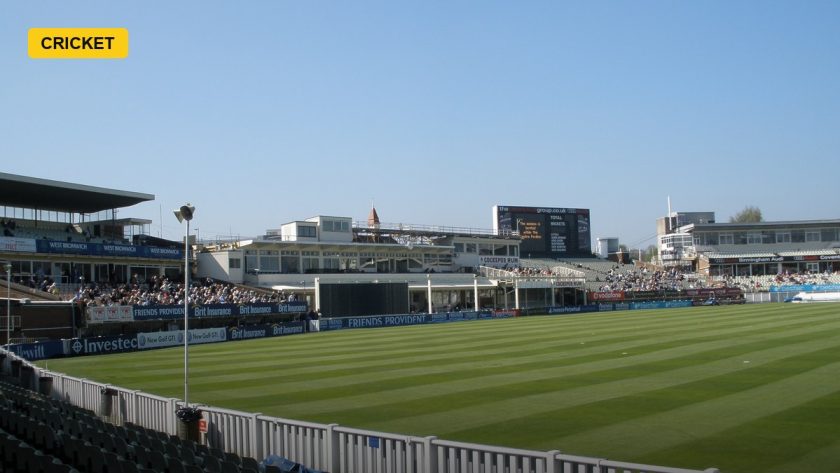
The tenth edition of the Women’s Asia Cup, and the sixth to be played in T20 format, got underway at the Dubai International Stadium on August 28, 2026, with hosts United Arab Emirates opening their campaign against defending champions Sri Lanka a day later. Eight teams will contest 15 matches over a little more than two weeks, with the final scheduled for September 13.
Format and groupings
The tournament is split into two groups of four. Group A features India, Pakistan, Hong Kong and Thailand, while Group B contains defending champions Sri Lanka alongside Bangladesh, Indonesia and hosts UAE. Every match will be played under lights at the Dubai International Stadium, a venue increasingly relied upon by Asian cricket boards for high-profile events because of its scheduling flexibility and floodlit precedent.
India’s path and the marquee India-Pakistan clash
India, who have won seven of the previous nine editions of the Women’s Asia Cup, open their campaign against Thailand on August 30 before meeting Hong Kong on September 3. The tournament’s most anticipated fixture arrives on September 5, when India face Pakistan in Dubai, a rivalry that regularly draws some of the largest television audiences in women’s cricket regardless of the two teams’ respective form heading into the match.
Debutants and hosts under the spotlight
Indonesia will make their first-ever appearance at the Women’s Asia Cup, a milestone for a cricket program that has invested heavily in grassroots women’s participation over the past five years with support from the Asian Cricket Council’s development fund. Host nation UAE, who open the tournament against Sri Lanka on August 29, will be looking to use home advantage and a settled core of domestic-based players to spring an upset against a Sri Lankan side that arrives as defending champions after their surprise 2024 title run.
Contrasting expectations from the camps
UAE captain Esha Oza said before the tournament that “playing at home in front of a crowd that has followed our rise gives us a real chance to compete, not just make up the numbers,” pointing to the team’s improved batting depth. Sri Lanka’s think tank, however, has downplayed talk of an easy title defense, with head coach Rumesh Ratnayake acknowledging that his side must manage a young squad against the pressure of holding the trophy, and singling out Bangladesh and an improving UAE as teams capable of springing surprises in Group B.
Why the tournament matters beyond the trophy
The Women’s Asia Cup has increasingly served as a proving ground ahead of ICC global events, with several players who broke through in past editions going on to become fixtures in their national T20 World Cup squads. Broadcasters across the region have expanded coverage significantly compared to earlier editions, reflecting the commercial growth of women’s T20 cricket following record viewership for the 2024 Women’s T20 World Cup and the continued expansion of franchise leagues like the Women’s Premier League, which has given many of the competing players a higher public profile than in previous cycles.
What’s next
The group stage runs through the first week of September, with the top two sides from each pool advancing to the knockout stage ahead of the September 13 final. Beyond silverware, selectors from India, Pakistan and Sri Lanka will be watching closely for form heading into a packed 2026-27 international calendar, while emerging sides like Indonesia and UAE will treat the tournament as a benchmark for how far their development programs have come. A strong showing from any of the associate nations could also strengthen the case for an expanded Asia Cup format in future editions.
Photo: Ronald Iguana / BY via wikimedia