
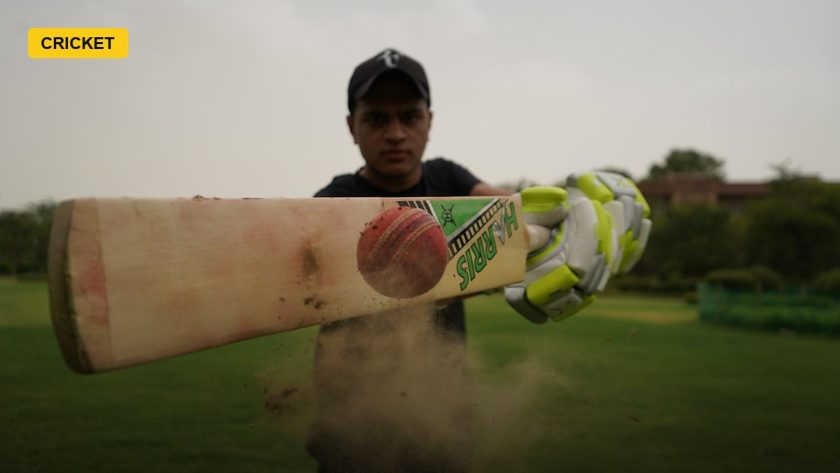
Joe Root wrote another chapter into the Test record books during England’s 3-0 series sweep of Pakistan, becoming the first batter in history to score more than 2,000 runs in the fourth innings of Test matches. Root’s tally of 2,059 fourth-innings runs surpasses the previous benchmark of 1,625 set by Sachin Tendulkar, a record that had stood for years as a marker of batting resilience under the unique pressures of chasing or saving matches on worn, deteriorating pitches.
The Milestone In Context
Fourth-innings batting is widely regarded as the most demanding examination in Test cricket, combining deteriorating surfaces, match pressure, and often a fatigued body after several days in the field, and Root’s ability to consistently accumulate runs in these circumstances speaks to a technical and mental toughness that has defined his career. The milestone arrived as part of England’s series-clinching performance against Pakistan, with the hosts completing a 3-0 sweep after winning the third and final Test at Edgbaston by eight wickets, a result built on contributions throughout the top order including a composed fifty from Root himself in the chase.
Root’s Broader Captaincy Numbers
The fourth-innings landmark arrived in the same series where Root also became a more successful World Test Championship captain than Virat Kohli, having now led England in 68 Test matches, the same number Kohli captained India, with a record of 30 wins, 27 defeats and 11 draws for a winning percentage of just over 44 per cent. The comparison between the two modern greats, both prolific batters who have also carried leadership responsibilities at different points in their careers, has become a recurring point of discussion among cricket statisticians tracking the era’s defining players.
England’s Series Dominance
Beyond individual milestones, England’s clean sweep of Pakistan underlined the strength of the current home Test side, with Harry Brook leading the way as the series’ top run-scorer with 215 runs and Ollie Robinson topping the bowling charts with 21 wickets. Pakistan’s response was led by Saud Shakeel’s 204 runs and Mohammad Abbas’ 13 wickets, but the tourists were unable to find sufficient consistency across the three Tests to trouble an England side playing with considerable confidence at home.
Contrasting Perspectives
English commentators have been quick to place Root’s fourth-innings record alongside his other career achievements as evidence he belongs firmly in the conversation about the greatest batters of his generation, pointing to the sheer difficulty of accumulating runs in that specific match situation over such a sustained period. Some statisticians have offered a more measured take, noting that eras and conditions vary considerably, and that direct comparisons across generations, including with Tendulkar’s numbers, should account for differences in scheduling, pitch preparation and the amount of Test cricket played in different periods. Regardless of the framing, there is broad consensus that the record reflects an exceptional and rare skill set.
What’s Next
With the Pakistan series now complete, attention turns to how Root’s red-ball form carries into England’s next Test assignments, with selectors and fans alike watching closely to see how much further he can extend his fourth-innings tally in the matches ahead. For England more broadly, the series win over Pakistan adds further momentum to a home Test season that has strengthened the side’s position in the World Test Championship picture heading into a busy period of international cricket.
How The Record Was Built
Root’s fourth-innings runs have accumulated across more than a decade of Test cricket, built on an unusual blend of patience and improvisation that has allowed him to bat long periods on deteriorating surfaces without becoming strokeless, a balance that statisticians studying his innings-by-innings data have repeatedly highlighted as central to his effectiveness in this specific match situation. Unlike batters who rely primarily on textbook technique, Root has developed a repertoire of unorthodox scoring options, including his trademark reverse-scoop and ability to manipulate the strike against defensive fields, that have proved particularly valuable when survival alone is not sufficient to win or save matches.
Cricket historians have also pointed out that fourth-innings conditions have arguably become more challenging in the modern era given greater emphasis on results-oriented pitch preparation across many Test-playing nations, making Root’s tally even more significant when viewed against the backdrop of surfaces that increasingly deteriorate sharply by the fifth day. That context has fuelled growing calls among former players for wider recognition of fourth-innings batting as a standalone metric of genuine class, separate from simple aggregate run totals.
Photo: yogendras31 / PIXABAY via Pixabay