
Afghanistan’s 15-man squad for the men’s cricket competition at the 2026 Asian Games contained one striking absence: star leg-spinner Rashid Khan, whose omission surprised fans and pundits alike given his stature as one of the format’s premier bowlers and Afghanistan’s most recognisable cricketer of the past decade. The decision comes months after Rashid was also replaced as Afghanistan’s T20I captain by Ibrahim Zadran following a disappointing World Cup campaign.
A Squad Reshaped
Afghanistan’s selectors opted to build their Asian Games squad around a new core group, with Darwish Rasooli among those elevated into a leadership role for the tournament in Aichi-Nagoya, Japan, which runs alongside the women’s competition from late September into early October. The composition reflects a broader effort within Afghan cricket to test depth and give opportunities to players outside the regular first-choice XI, given the Asian Games’ status as a slightly lower-stakes environment compared to bilateral series against top-ranked Full Members.
Rashid’s Standing In The Game
Rashid Khan’s continued influence in world cricket remains substantial regardless of the squad omission, underlined by his recent appointment to the World Cricketers’ Association Player Advisory Board, a body that plays a central role in representing player interests across 17 leading cricketing nations. His comments in recent months on topics including the state of women’s cricket in Afghanistan, where he has stressed that such decisions ultimately rest with the Afghanistan Cricket Board and the ICC rather than individual players, have also kept him in the public conversation even as his on-field leadership responsibilities have shifted.
The Selection Rationale
Selectors have not been fully explicit about the reasoning behind leaving out a player of Rashid’s calibre, though the decision follows a pattern of Afghan cricket using lower-profile tournaments to test younger players and alternative leadership structures since the T20 World Cup exit. Some reports have suggested workload management played a role, given Rashid’s heavy franchise cricket commitments across multiple global leagues throughout the year, a scheduling reality that increasingly affects selection conversations for many of the sport’s most in-demand white-ball players.
Contrasting Perspectives
Afghan cricket officials have defended the decision as part of a deliberate, forward-looking selection strategy aimed at building depth beyond a small core of established stars, arguing that a tournament like the Asian Games is precisely the environment in which such experimentation should happen. Fans and some former players, however, have voiced frustration at seeing the country’s most recognisable and successful cricketer left out of a major continental event, questioning whether the broader pattern of sidelining Rashid from leadership roles this year risks undervaluing his ongoing contribution to the team both on and off the field.
What’s Next
Afghanistan’s Asian Games campaign, under its reshaped leadership group, begins alongside the rest of the men’s competition from September 24, with the side aiming to prove that its depth beyond Rashid Khan is sufficient to compete at a continental level. How the team performs without its most famous player will likely inform selectors’ thinking as they continue to balance experience against opportunities for a new generation heading into the next cycle of bilateral and global assignments.
Rasooli’s Emerging Leadership Profile
Darwish Rasooli’s elevation into a senior role for the Asian Games squad reflects a broader pattern within Afghan cricket of blooding younger leaders across different formats and tournaments simultaneously, spreading leadership experience across a wider group rather than concentrating it in a single figure. Coaches working with the squad have described Rasooli as a calm, tactically astute presence who has earned the trust of teammates through consistent performances in domestic and franchise cricket, qualities selectors hope will translate into composed decision-making during the pressure of knockout-format continental competition.
The broader restructuring of Afghanistan’s leadership across formats, spanning the T20I captaincy change to Ibrahim Zadran and now this Asian Games arrangement, suggests a cricket board attempting a wholesale generational shift rather than a single isolated change, a strategy that carries both promise and risk depending on how quickly the newly empowered leaders adapt to the demands of international captaincy under scrutiny. Board officials have privately acknowledged that the coming twelve months will be a crucial test of whether this generational transition can be managed without sacrificing the competitiveness Rashid Khan’s individual brilliance had often single-handedly provided in tight matches. Whatever the short-term results, the wider Afghan cricketing public will be watching closely to see whether this new leadership generation can eventually deliver the kind of consistent success that made Rashid Khan such a beloved figure across the country in the first place.
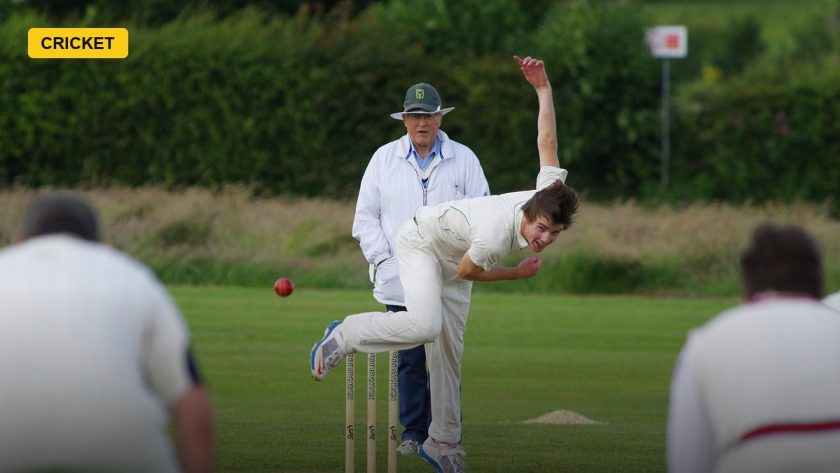
Photo: shents / PIXABAY via Pixabay