
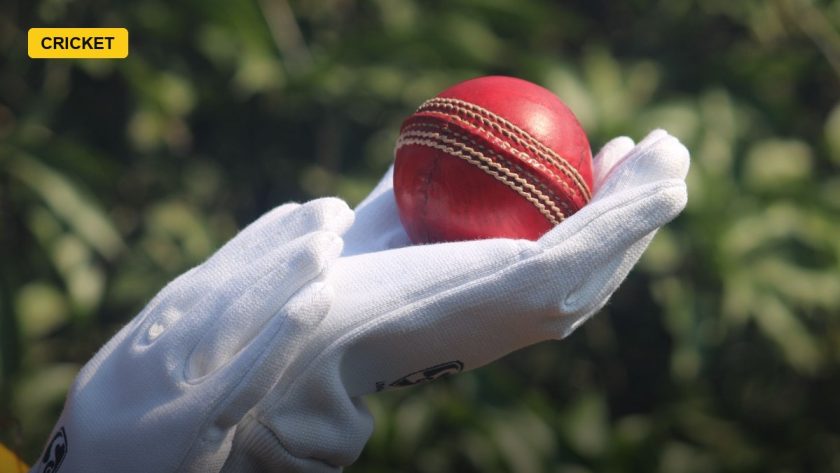
The International Cricket Council’s board, meeting in Ahmedabad on June 1, 2026, approved a trial that will allow pink balls to be used in traditional daytime Test matches, not just under floodlights, in an effort to reduce the amount of playing time lost to bad light. The decision marks a significant expansion of a ball previously reserved almost exclusively for dedicated day-night fixtures.
What the trial actually changes
Under the approved framework, the pink ball can be used in daytime Tests where both participating teams agree beforehand, with the stated aim of allowing more overs to be bowled on days when poor light might otherwise force an early close. The ICC also confirmed it would commission separate research into stadium lighting technology, part of a broader push described in its statement as an effort to "reduce lost play due to poor light."
The problem the ICC is trying to solve
Lost playing time due to bad light has been a persistent irritant in Test cricket, particularly at grounds in higher latitudes or with older floodlight installations, where umpires have periodically taken players off the field well before the scheduled close of play. The pink ball’s greater visibility under artificial and dim natural light has made it the obvious tool for addressing this, building on lessons learned from day-night Tests played since 2015.
Proponents versus skeptics
Supporters of the trial, including several board officials who backed the measure, argue that reducing bad-light stoppages is a straightforward win for broadcasters, spectators and context around results, since matches curtailed by weather-related light issues can distort outcomes. Critics within the cricket analysis community have raised a different concern, pointing out that the pink ball’s thicker lacquer coating keeps it harder and shinier for longer than the traditional red ball, which tends to help seam and swing bowlers disproportionately and can make surfaces play more difficult for batters, particularly in the twilight period when visibility is at its most challenging even under lights.
How players and commentators have reacted
Batters who have played extensively with the pink ball in day-night fixtures have previously described the period after the fall of dew or in fading light as one of the toughest passages to bat through in the format, a reputation that has fed into the caution surrounding wider adoption. At the same time, several fast bowlers have welcomed the prospect of more matches being played with a ball that offers extended assistance, framing it as a fair trade-off for the benefit of preserving playing time.
A forward-looking centrepiece
The pink-ball push already has a marquee showcase lined up: a planned Australia-England Test in 2027 to mark 150 years of Ashes cricket is expected to be staged as a day-night fixture at the Melbourne Cricket Ground, giving administrators a high-profile platform to demonstrate the format’s appeal, win or lose the balance-of-the-game debate in the meantime.
What’s next for the trial
Implementation will depend on individual boards and match officials agreeing to specific fixtures, meaning the pace of adoption is likely to be gradual rather than universal in the near term. How the trial performs in practice, particularly whether concerns about disproportionate bowler assistance prove founded, will shape whether the ICC moves toward making pink-ball daytime Tests a standard option across the international calendar or scales the initiative back to occasional showcase matches.
Groundstaff at several major venues have already begun consulting with ball manufacturers about how pink-ball characteristics interact with different soil compositions and grass types, aware that a surface prepared for a red-ball match may behave quite differently once a pink ball is introduced partway through a trial fixture. Some county and domestic competitions have signalled interest in trialling the format at a lower level first, viewing it as a lower-risk way to gather data before any full international implementation. Player associations in several countries have asked to be consulted on player welfare implications, particularly regarding visibility in fading light even with the pink ball’s improved contrast, an issue that remains only partially resolved despite a decade of day-night Test experience.
Photo: Manoj Poosam / PEXELS via Pexels