
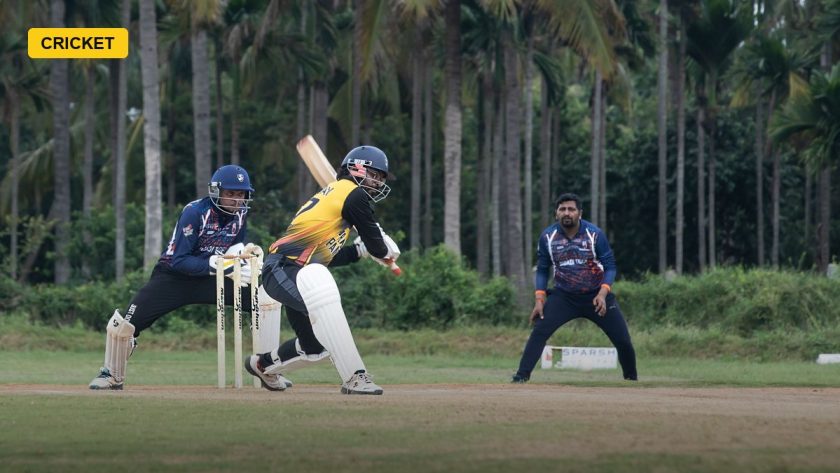
Zimbabwe’s women’s cricket team begins a historic first bilateral tour of India this month, a six-match assignment comprising three T20 Internationals in Raipur followed by three One Day Internationals in Vadodara, arriving just three months after India handed them a 3-0 T20I series whitewash on Zimbabwean soil.
A Series of Firsts
The tour marks the first time Zimbabwe’s women have played a bilateral series on Indian soil, a landmark moment for a program that has historically had far more fixtures against fellow associate and mid-tier nations than against the game’s traditional powerhouses. The three T20Is are scheduled for October 16, 18 and 20 at the Shaheed Veer Narayan Singh International Cricket Stadium in Raipur, all under floodlights, before the series shifts format and city for three ODIs on October 23, 25 and 28 at the BCA Stadium in Kotambi, Vadodara.
The Reverse Fixture in July
This tour arrives as something of a sequel. India travelled to Harare in July 2026 for a three-match T20I series and won every game, sweeping the hosts 3-0 across matches played on July 23, 25 and 26. That lopsided result set expectations heading into the return leg, with India arriving in Raipur and Vadodara as clear favourites against a Zimbabwean side still working to close a significant gap against the sport’s established powers in the women’s game.
Home Advantage, Reversed
Whereas July’s series tested Zimbabwe’s ability to compete in home conditions against a much stronger opponent, this tour flips the dynamic entirely: Zimbabwe now travel to unfamiliar Indian conditions, including the distinct challenge of batting and bowling under lights in Raipur, a city that does not host international women’s cricket especially often, before adjusting to the 50-over format in Vadodara. The switch in format partway through the tour, from T20Is to ODIs, adds a further layer of difficulty, requiring Zimbabwe’s bowlers and batters to recalibrate their approach mid-tour against a deep and well-resourced Indian line-up.
Why the BCCI Is Expanding Its Bilateral Calendar
India’s willingness to host a full six-match series against Zimbabwe, rather than a shorter token fixture, reflects a broader shift in how the BCCI has approached its women’s international calendar in recent years, using home series against a range of opponents to build depth across its squad between major ICC events. For Zimbabwe Cricket, simply securing a full bilateral window against India, with its accompanying broadcast exposure and central contract implications for players involved, represents meaningful progress regardless of the eventual results on the field.
Development Cricket or Mismatch? Two Views
Not everyone views fixtures of this kind the same way. Supporters of India scheduling full series against sides like Zimbabwe argue that consistent exposure to top-tier opposition, even in matches that may be lopsided on paper, is precisely what developing women’s programs need to accelerate improvement, citing the value of fielders, bowlers and batters testing themselves against higher standards of skill and intensity than they typically face in regional competition. Sceptics counter that mismatched fixtures risk becoming demoralising rather than developmental if the gap in quality is too wide, and argue that associate and emerging full-member women’s teams would benefit more from a denser calendar of matches against comparable opposition, with marquee fixtures against India or Australia used more sparingly as genuine, well-prepared tests rather than routine scheduling filler. Zimbabwean players and coaching staff, for their part, have generally embraced such tours publicly as valuable experience, even while privately acknowledging the scale of the challenge a side of India’s depth presents.
What’s Next
The series opens in Raipur on October 16 with the first of three T20Is, before the squads relocate to Vadodara for the ODI leg concluding on October 28. Results from this tour will feed into both teams’ broader planning, with India continuing to rotate and assess squad depth ahead of future ICC events, and Zimbabwe looking to build on whatever lessons and individual performances emerge from a rare extended tour of India. Zimbabwean selectors are expected to use the tour to assess younger batters against the kind of varied bowling attack they rarely face domestically, while India’s coaching staff will treat the series as an opportunity to give fringe squad members extended game time without disrupting preparations for more heavily contested fixtures later in the international calendar. Broadcasters covering the series in both countries will also be watching closely to gauge whether a six-match series against a lower-ranked opponent can sustain viewer interest across two different formats and two different host cities over nearly two weeks.
Photo: Anil Sharma / PEXELS via Pexels