
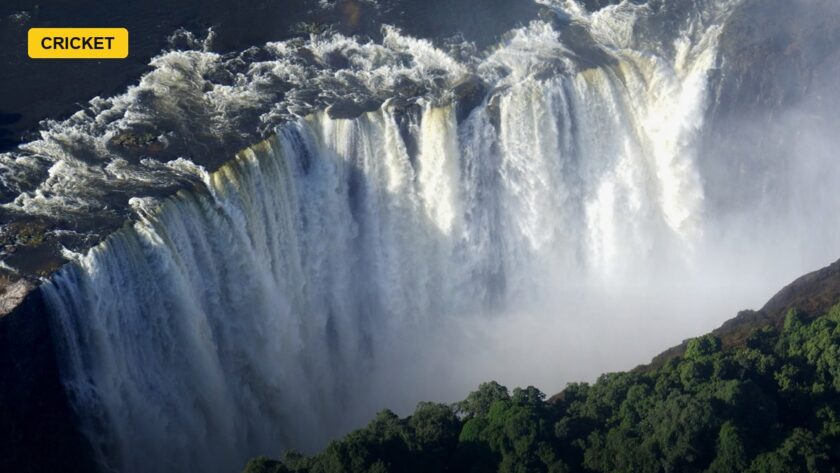
The International Cricket Council announced on July 31 that the 2027 ODI World Cup will be jointly hosted by South Africa, Namibia and Zimbabwe across 12 venues, marking the tournament’s first return to African soil in 24 years and giving Namibia its first-ever opportunity to host a senior ICC event. The announcement also confirmed a new 14-team tournament format featuring 57 matches, expanding the competition’s reach and introducing a revised structure designed to build toward the knockout stages. Organizers have said ticketing details and the full match schedule will be released separately once broadcaster negotiations across all three host countries are finalized.
How the Hosting Duties Are Split
South Africa will carry the bulk of the tournament, staging matches across eight venues including the Wanderers Stadium in Johannesburg, SuperSport Park in Centurion, Newlands in Cape Town, Kingsmead in Durban, St George’s Park in Gqeberha, Mangaung Oval in Bloemfontein, Boland Park in Paarl and Buffalo Park in East London. Zimbabwe will host matches at three venues, Harare Sports Club, Queens Sports Club in Bulawayo, and the newly built Fale Mosi-oa-Tunya International Cricket Stadium in Victoria Falls, a 10,000-seat venue expected to also host domestic cricket ahead of the World Cup itself.
Namibia’s Historic First
The Namibia Cricket Ground in Windhoek will host World Cup matches, marking the first time the country has ever hosted a senior ICC tournament, a milestone that reflects the ICC’s broader strategy of using marquee global events to expand cricket’s footprint into associate and smaller full-member nations rather than concentrating hosting duties exclusively among the sport’s traditional powerhouses.
A New Tournament Format
The 2027 edition will feature 14 teams playing across a structure that includes a super series, group stage matches, a Super 7 round, and finally semifinals and a final, totaling 57 matches — a notably different format from recent editions and one designed, according to tournament organizers, to maintain competitive intensity and meaningful stakes across a longer group phase before the knockout rounds begin.
Why Returning to Africa Matters
Africa last hosted the World Cup in 2003, when South Africa, Kenya and Zimbabwe staged the tournament together, and the 24-year gap since then reflects both the ICC’s rotation of major events among its stronger cricket-playing regions and the comparatively smaller number of full-member nations based on the continent. Bringing the tournament back to African soil is widely seen within the sport as an opportunity to reinvigorate cricket’s commercial and grassroots development prospects across the continent, building on South Africa’s established infrastructure while giving Zimbabwe and Namibia valuable exposure and investment tied to hosting World Cup matches.
Infrastructure and Investment Implications
Hosting a share of a 57-match global tournament typically triggers significant infrastructure investment, and the construction of the new Victoria Falls stadium in Zimbabwe specifically for this purpose illustrates how World Cup hosting rights can catalyze stadium development that might not otherwise occur on the same timeline, with lasting benefits for each host nation’s domestic cricket infrastructure well beyond the tournament itself.
The Infrastructure Legacy Beyond the Tournament
Beyond the immediate tournament itself, World Cup hosting rights typically leave behind lasting stadium and training facility upgrades that continue benefiting a host nation’s domestic cricket infrastructure for years afterward, a pattern South Africa experienced following its 2003 hosting and one administrators hope will repeat across all three co-host nations this time, particularly for Zimbabwe and Namibia, where cricket infrastructure development has historically lagged behind the continent’s more established cricketing nations.
What’s Next
With venues now confirmed, attention will shift toward the qualification pathway determining which of the eligible nations fill the 14-team field, alongside logistical planning across three different host countries’ infrastructure, visa and travel systems. The tournament’s new format and expanded African hosting footprint will be closely watched as a test case for whether the ICC’s strategy of geographic expansion can meaningfully grow the sport’s global reach without diluting the competitive quality that has defined previous World Cup editions. Construction updates on the new Victoria Falls stadium are expected to be shared publicly as the facility moves closer to hosting its first domestic fixtures. Tourism boards across all three host nations have already begun marketing campaigns built around the tournament, anticipating a significant boost in visitor interest ahead of the 2027 event. Logistics planners have also flagged the challenge of coordinating visas and travel across three separate host nations as one of the more complex organizational tasks the ICC has undertaken.
Photo: Jürgen_Bierlein / PIXABAY via Pixabay