
Afghanistan’s five-match ODI tour of Ireland has become one of the more fraught storylines in world cricket this month, pairing a genuine sporting stake with a gathering political controversy. On the field, Rashid Khan’s side moved to the brink of automatic qualification for the 2027 World Cup after thrashing Ireland by 92 runs in the second ODI at Bready on August 7. Off it, Amnesty International has publicly warned Cricket Ireland and the ICC that the tour risks being exploited by the Taliban for propaganda purposes, intensifying scrutiny of a series that continues at Stormont in Belfast on August 10.
Rashid Khan and Ibrahim Zadran Seal Bready Victory
The opening match of the series was washed out, but Afghanistan wasted no time asserting control once play was possible. Batting first at Bready Cricket Club in Magheramason on August 7, in a contest reduced to 47 overs a side because of a wet outfield, Afghanistan posted 299 for 8 built around a fluent 84 from Ibrahim Zadran. Ireland’s reply never got going: the hosts collapsed from a competitive position to lose 7 wickets for just 63 runs and were bowled out for 207, handing Afghanistan a 92-run win. Leg-spinner Rashid Khan was named Player of the Match after taking 6 for 34, his third career six-wicket haul in ODI cricket, a figure that underlines how central he remains to Afghanistan’s attack more than a decade into his international career.
What Qualification Means for Afghanistan
The stakes extend well beyond bragging rights on a rain-affected tour. With the top eight ranked ODI sides due to qualify directly for the 2027 World Cup, Afghanistan’s win in the second match left them needing only one more victory across the remaining three fixtures at Stormont on August 10, 12 and 15 to lock in their place at the tournament without having to negotiate a qualifying route. For a team that has repeatedly punched above its resources on the world stage, from historic wins over England and Australia at recent World Cups to a maiden semi-final appearance, nailing down qualification early would let selectors plan the next cycle with a rare degree of certainty rather than scrambling through a qualifier.
Amnesty International’s Intervention
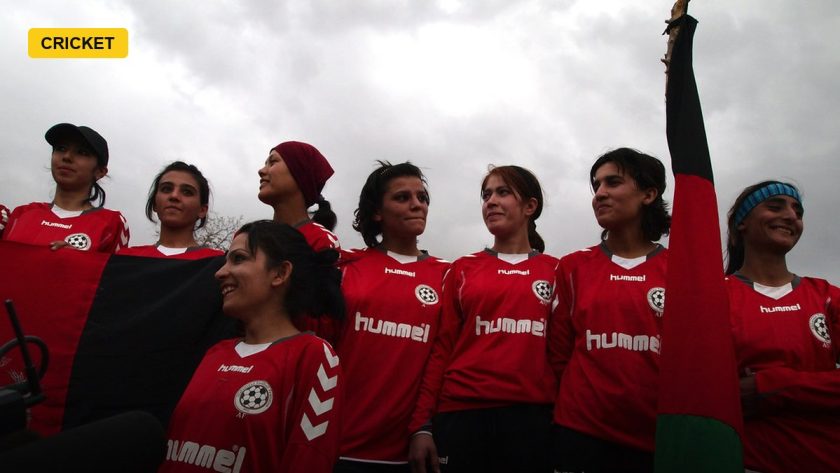
The cricketing narrative has been overtaken this week by a political one. Amnesty International issued a statement cautioning that the Taliban, which has barred women and girls from playing or even watching sport since retaking power in Afghanistan in 2021, could use the high-profile ODI series to project an image of normalcy that does not reflect conditions inside the country. The rights group called on Cricket Ireland and the ICC to ensure the series is not used as propaganda and urged broadcasters and organisers to keep the plight of Afghan women and girls in view throughout the tour. A former Northern Ireland first minister has separately backed calls for a boycott of the fixtures, adding a domestic political dimension to a series already carrying diplomatic weight.
Security Measures Around the Belfast Fixtures
Cricket Ireland has responded by confirming it has security arrangements in place ahead of the Belfast leg of the tour, working in regular contact with the Police Service of Northern Ireland and other stakeholders to manage the possibility of demonstrations around the Stormont fixtures. Organisers are bracing for protests timed to coincide with the matches on August 10, 12 and 15, mirroring the scrutiny that has followed Afghanistan’s men’s team on tours to other countries since 2021, even as the ICC has continued to sanction Afghanistan’s full-member status and fixtures against it.
Two Views on Whether the Series Should Go Ahead
The debate splits along familiar lines. Supporters of continuing bilateral cricket with Afghanistan argue that isolating the men’s team punishes players who have no say over Taliban policy and that continued engagement keeps a spotlight on the situation rather than erasing it from public view. Critics, echoing Amnesty’s position, contend that broadcasting a triumphant Afghan team without consistent, loud acknowledgement of the exclusion of Afghan women from sport risks normalising that exclusion in the eyes of a global audience. Cricket Ireland has tried to thread the needle by proceeding with the fixtures while publicly committing to security and, its officials say, to raising the women’s sport issue through its own channels.
What to Watch as the Series Moves to Stormont
On the field, Ireland will be desperate to arrest the slide before the tour becomes a formality, with captain Andy Balbirnie’s side needing to find answers to Rashid Khan’s spin and Ibrahim Zadran’s top-order form in home conditions that have so far offered them little relief. Should Afghanistan win either of the next two matches, they will secure their World Cup place with a dead rubber still to play on August 15, a scenario that would let Rashid Khan’s management rotate his squad and give fringe players a run out. Whatever happens in the middle, the volume of the protests planned for Stormont, and how Cricket Ireland and the ICC choose to respond to them, look set to be as closely watched as anything that happens with bat and ball.