
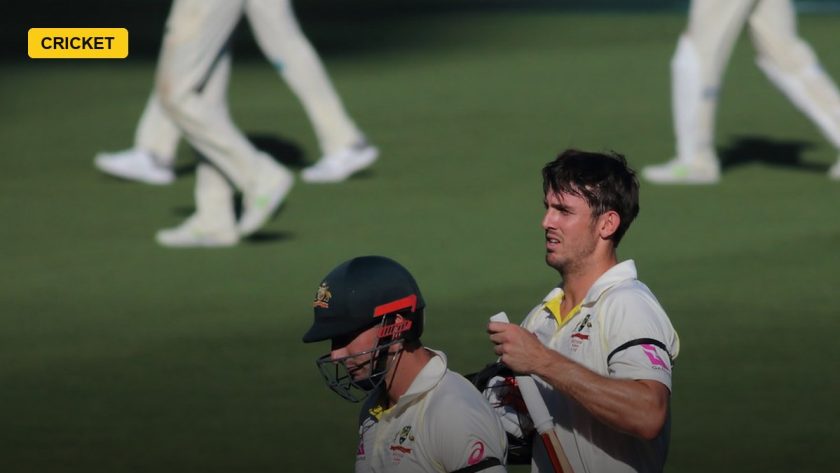
Sunrisers Leeds moved to the verge of the men’s Hundred knockout stages with a commanding 71-run win over Welsh Fire at Headingley on August 9, a result built on a rapid century opening stand between Mitch Marsh and Ryan Rickelton and finished off by captain Zak Crawley’s late fireworks. Batting first, Sunrisers posted 201 for 4 from their 100 balls before restricting Welsh Fire to 130 for 6, a scoreline that leaves Alex Hales’ side needing a favourable swing of results elsewhere to keep their own qualification hopes alive.
Marsh and Rickelton Set the Platform
The foundation for Sunrisers’ total was laid inside the first third of the innings, when Marsh and Rickelton put on 89 for the first wicket. Marsh reached his fifty off just 34 balls, his fourth half-century of this Hundred season, playing with the kind of clean hitting down the ground that has made him one of the tournament’s most feared top-order players in franchise cricket over the past two years. Rickelton contributed 40 at the other end, giving the innings the platform it needed before the returning Crawley accelerated matters in the closing stages.
Crawley’s Late Assault
Crawley’s own contribution came in a sharp 34 off just 12 balls, an innings punctuated by four sixes that took Sunrisers from a merely competitive total to a genuinely imposing one inside the final overs. That kind of finishing has been a hallmark of the format since its 2021 launch, where the last 15-20 balls of an innings routinely swing the eventual margin by 20 runs or more, and Sunrisers’ timing in accelerating when they did left Welsh Fire chasing a total that always looked a stretch on a used Headingley surface.
Welsh Fire’s Reply Falls Away
In reply, Welsh Fire never found the rhythm they needed. Matthew Short made 43 and Joe Root added 31, but too much of the middle order struggled to convert starts, and Welsh Fire were held to 130 for 6 from their full allocation. Brydon Carse was the pick of the Sunrisers bowlers, finishing with figures of 3 for 24 to break up any partnership that threatened to build momentum. The 71-run margin represents one of the heavier defeats of the competition’s group stage and materially dented Welsh Fire’s net run rate at a point in the season when such fine margins can decide who plays on.
The Net Run Rate Equation
Because The Hundred’s group phase compresses so many results into a short window, net run rate swings of this size carry outsized weight in the final standings. Sunrisers’ comfortable win not only banked two points but pushed their run rate further clear of the chasing pack, putting the men’s side in a strong position to join the top three finishers who advance to Eliminator and Final weekend at Lord’s later this month. For Welsh Fire, the defeat leaves little margin for error in their remaining group fixtures, with home advantage in Cardiff now looking like a must-win proposition rather than a bonus.
Two Reads on Sunrisers’ Season
There are competing explanations for Sunrisers’ form this year. The generous view credits a settled top order, with Marsh and Rickelton now firmly established as an opening pair and Crawley given license to play a genuine finisher’s role rather than opening the batting as he sometimes has for England in Tests. The more cautious view, held by some within the competition, is that Sunrisers have benefited from a favourable run of pitches and opposition at Headingley and that their true test will come away from home, where conditions and crowd support have historically been less forgiving for the franchise. Both camps agree that Carse’s form with the ball, allied to the top-order depth, gives Sunrisers as balanced a squad as any in this year’s competition.
What Comes Next
With the group stage entering its final stretch, Sunrisers’ focus now turns to locking up a top-three finish that would guarantee a home Eliminator if results go their way, sparing them the must-win pressure that sides lower in the table are already contending with. Welsh Fire, by contrast, face a run of matches in which anything less than near-maximum points will end their campaign before the knockouts begin. The next round of fixtures, including Welsh Fire’s remaining home games, should clarify very quickly whether Saturday’s 71-run margin was a blip in an otherwise even competition or the first sign of a genuine gap opening up at the top of the men’s table.