
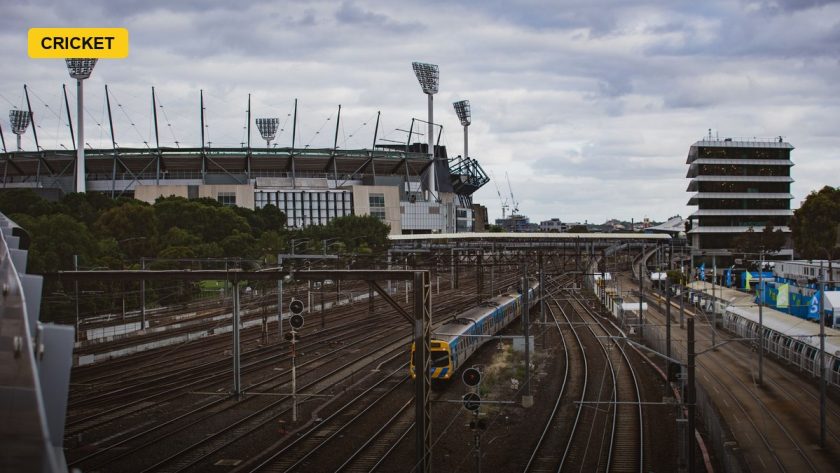
Cricket Australia announced at the Sydney Cricket Ground on September 8 that it will formally invite bids for a 100 per cent stake in the Melbourne Renegades’ license to operate both Big Bash League and Women’s Big Bash League teams, a landmark step in the governing body’s long-flagged push to open Australia’s domestic T20 competitions to private capital.
A Sale With a Deadline
Flanked by national team figures including Pat Cummins, Travis Head, Sophie Molineux and Ellyse Perry, Cricket Australia chair Mike Baird and chief executive Todd Greenberg confirmed that merchant bank Raine Group has been engaged to run the sale process and was expected to begin formally contacting potential investors within the week. The target is an ambitious one: a completed deal by Christmas, with new private ownership in place in time for the 2027-28 BBL and WBBL seasons. Until then, the Renegades will continue to be run in caretaker mode by Cricket Australia, with the 2026-27 seasons unaffected by the sale process.
What Stays Under Cricket Australia’s Control
Even after a sale, Cricket Australia intends to retain significant oversight, including control of international player scheduling, salary cap rules, media rights and branding approvals, and the ability to veto prospective investors or set an undisclosed reserve price for the license. It remains unclear whether a new owner would even keep the Melbourne Renegades name, with any rebrand requiring Cricket Australia’s sign-off. Officials have signaled they are prioritizing finding the “right” partner over simply accepting the highest bid, a framing designed to reassure skeptics that the sale will not hand control of a national competition’s licence to purely financial buyers with no cricket background.
A State-by-State ‘Self-Determination’ Model
The Renegades sale is intended as a test case for a broader model under which each state cricket association decides independently whether and when to sell its BBL and WBBL franchises. Reports suggest Cricket Tasmania, Cricket Victoria and the WA Cricket Association are relatively open to following suit with the Hobart Hurricanes, Melbourne Stars and Perth Scorchers respectively, while Cricket NSW, Cricket Queensland and the South Australian Cricket Association are understood to be more reluctant, at least for now, to put the Sydney Sixers, Sydney Thunder, Brisbane Heat or Adelaide Strikers on the market.
A Merger Plan Put on Ice
The announcement also effectively paused an earlier Cricket Victoria plan, floated internally in June, to rebrand the Melbourne Stars in a structural merger with the Renegades ahead of a joint 2026-27 sale. With the Renegades now proceeding to sale on their own and on a different timeline, both Melbourne clubs will compete in their current, separately branded form for the upcoming WBBL|12, beginning October 29 against Sydney Thunder, and BBL|16 seasons.
Necessary Investment or Fragmented League?
Baird has framed the sale as proof that Cricket Australia and its state members are “united in investing in and growing” the BBL and WBBL, arguing that private capital is essential to securing the competitions’ long-term future and, by extension, funding grassroots cricket nationally. Critics of the broader privatisation push, which stalled earlier this year when an initial proposal to allow 49 per cent sales league-wide was blocked by the New South Wales and Queensland cricket boards, warn that a state-by-state opt-in model risks creating a two-tier league in which wealthier, privately backed franchises can outspend state-run rivals on marquee signings, undermining the competitive balance that has defined the BBL since its 2011 launch.
What’s Next
Raine Group’s outreach to prospective investors is now under way, with Cricket Australia targeting a signed deal before the end of the year. Rival states, particularly Victoria, Tasmania and Western Australia, will be watching the Renegades process closely as a template, while the Australian Cricketers’ Association has been told to expect continued “constructive discussions” as the league’s ownership structure shifts for the first time in its history.
Photo: Costa Karabelas / PEXELS via Pexels