
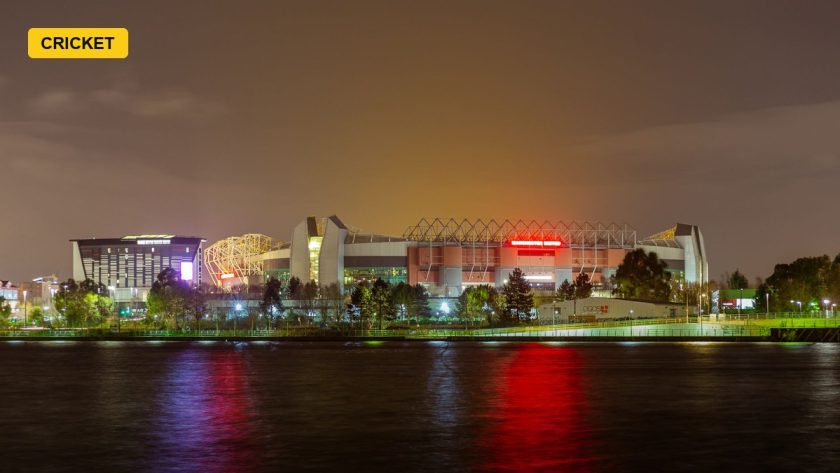
Lancashire’s 2026 squad announcement laid bare a club pursuing two very different strategies at once: a glamorous, white-ball-only recruitment drive built around England internationals Jos Buttler, Liam Livingstone and Luke Wood, all signed exclusively for the Vitality Blast, running alongside a County Championship side that closed out its latest Division Two campaign with a draw against Durham on September 27, a loss to Kent on September 18 and a loss to Gloucestershire on September 11.
A T20 Roster Built for Trophies
Buttler, Livingstone and Wood joining the club purely for Blast duty follows Lancashire’s signing of Keaton Jennings to a five-year deal as the franchise’s dedicated T20 captain, alongside Australian all-rounder Chris Green returning for a third summer and the arrival of Ajeet Singh Dale from Gloucestershire and Paul Coughlin from Durham. On the women’s side, Lancashire landed Meg Lanning, the former Australia captain, on a two-year Blast-only contract, bolstering a squad the club describes as reigning double winners after last season’s Metro Bank One-Day Cup triumph.
Red-Ball Cricket Runs on a Separate Track
The Championship side, by contrast, is built around continuity rather than star power. James Anderson has chosen to continue as County Championship captain, while Marcus Harris is in the second year of a three-season deal covering both the Championship and the one-day cup. That stability has not yet translated into results: Lancashire’s September form, a draw and two defeats in their final three Division Two fixtures, continued a pattern of a club that has struggled to turn one-day and white-ball investment into sustained four-day success.
The Money Behind the Split Strategy
Lancashire’s Director of Cricket Performance, Mark Chilton, has been explicit that the club’s approach is underwritten by Emirates Old Trafford’s commercial strength, including its role as a Hundred host venue. Chilton has said the club wants “to compete for and win trophies in all formats” and is “determined to see our men’s team return to Division One,” while noting that the investment is made possible by board backing and the club’s off-field commercial business, adding pointedly that rival counties are restricted by ECB guardrails on how they can use Hundred proceeds, an implicit suggestion that Lancashire’s position as a host venue gives it financial latitude that other counties lack.
A Model Other Counties Are Watching
Lancashire’s approach is an unusually explicit version of a trend playing out across English domestic cricket, where counties increasingly carve player contracts into format-specific windows rather than offering traditional all-format deals. Supporters of the model argue it lets ambitious counties access genuine international star power for high-value Blast fixtures without committing a full season’s wage bill, while still fielding a stable, development-focused Championship XI built around committed red-ball players like Anderson and Harris.
Priorities Under Scrutiny
Critics within the county game take a dimmer view, arguing that pouring resources into a glittering white-ball roster while the first-class side continues to languish in the second tier reflects skewed priorities shaped by the Hundred’s outsized financial gravity. The concern is not unique to Lancashire, but the club’s size, resources and Jennings’ five-year T20 commitment make it a particularly visible example of a county betting heavily on white-ball success even as its traditional measure of standing, Division One Championship cricket, remains out of reach.
What’s Next
With the 2026 Championship season now behind them and Lancashire still outside the promotion places after a late-season run of a draw and two losses, the club’s focus shifts to whether Jennings’ long-term Blast leadership and Anderson’s continued red-ball captaincy can coexist as genuinely complementary pillars, or whether the format split simply formalizes a two-speed club where white-ball ambition and first-class results continue to move in opposite directions heading into 2027.
Photo: Miguel Saddi Vitorino / PEXELS via Pexels