
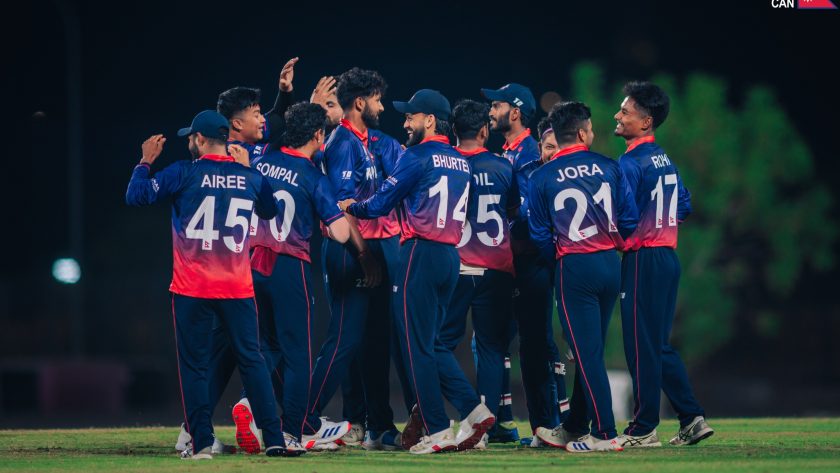
Associate cricket is starting to outgrow the old language used to describe it.
For years, teams outside the traditional cricket elite were described with the same cautious words: developing, promising, improving, competitive. Those words are becoming too small for what some of these teams are now doing.
Nepal has become a perfect example. ESPNcricinfo’s current statistics panel noted that Nepal became the first team with multiple 300-plus totals in men’s T20 cricket. That is not a sentimental milestone. It is a power statement.
A 300-run T20 total changes how people think about a team.
It means the batting order has depth. It means the top order is not just surviving. It means six-hitting is not an occasional bonus. It means the side is playing with modern T20 aggression, not old underdog caution.
That matters because the global cricket map is changing.
Associate nations are no longer satisfied with being good stories at ICC events. They want fixtures, leagues, pathways, rankings movement, and commercial relevance. They want to produce players who can be signed by franchises. They want crowds that travel, social media followings that matter, and boards that can build sustainable systems.
Nepal has one of the most passionate fan bases in world cricket. Anyone who has watched their supporters at major tournaments understands that this is not a small cricket culture. It is a large cricket culture still waiting for enough global opportunities.
The performances are now catching up with the passion.
In T20 cricket, the gap between major and emerging teams can close faster than in Tests. A few destructive batters, two quality wrist-spinners, a left-arm seamer, or one elite finisher can change a side’s competitive level quickly. The format rewards confidence and punishes teams that underestimate opponents.
That is why 300-plus scores matter symbolically.
They tell bigger teams that associate cricket is not only about discipline and effort. It is about firepower. These teams are no longer arriving only to be respectable. They are arriving to take games away.
The commercial impact could be significant.
More competitive associate teams create more valuable tournaments. They make World Cups less predictable. They open new broadcast markets. They give global cricket access to fans who are emotionally invested but often underserved. For the ICC and major boards, that should be an opportunity, not a scheduling inconvenience.
The challenge is consistency.
One explosive performance can make headlines. A sustainable cricket nation needs domestic structure, coaching, fitness systems, age-group tournaments, financial backing, and regular international exposure. Nepal’s next step is not simply scoring big again. It is building enough depth that performances like this become part of an identity rather than a surprise.
Still, the message has landed.
Associate cricket is no longer asking to be treated kindly. It is asking to be taken seriously.
And when a team starts putting up 300 in T20 cricket, seriousness is no longer optional.