
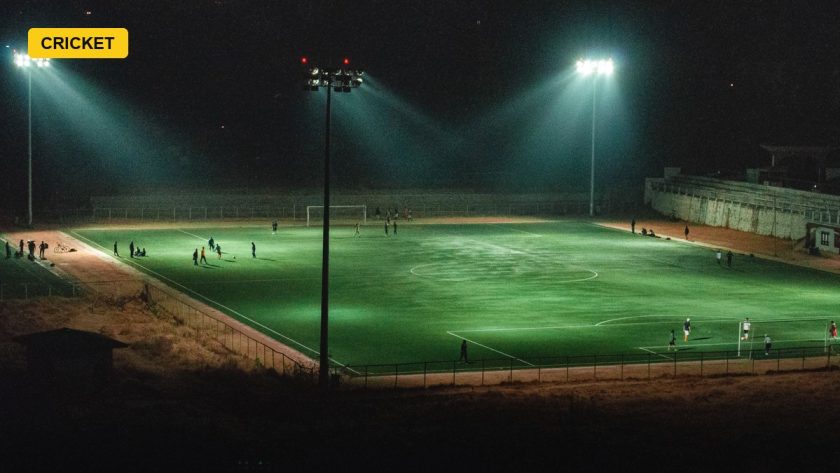
Pakistan will host Sri Lanka and England in a seven-match ODI tri-series running from October 18 to October 31, 2026, pitting three former world champions against each other across Rawalpindi and Lahore in what organisers are already framing as a meaningful staging post on the road to the 2027 Cricket World Cup. The tournament follows directly on from a three-match Pakistan-Sri Lanka T20I series that concluded in Rawalpindi on October 13, and it arrives at a moment when all three boards have reasons, sporting and otherwise, to treat the fixtures as more than routine bilateral cricket.
How The Tournament Is Structured
The group stage opens on October 18 with Pakistan facing Sri Lanka at Rawalpindi Cricket Stadium, followed by Pakistan versus England on October 20 and Sri Lanka versus England on October 22, all at the same venue. The tri-series then shifts to Gaddafi Stadium in Lahore, where each pairing meets a second time — Pakistan and England on October 25, Pakistan and Sri Lanka on October 27, and Sri Lanka and England on October 29 — before the top two sides in the group stage meet in the final at Gaddafi Stadium on October 31. The double round-robin format means every side plays four group matches before the final, giving each team a genuine margin for error rather than a single-elimination sprint.
Why Pakistan Is Hosting Now
The tri-series was announced by the Pakistan Cricket Board in August as part of a busy home season that also includes the preceding Sri Lanka T20Is and an upcoming two-Test series against Sri Lanka starting November 9 in Rawalpindi. Hosting a trilateral event with two other Test-playing nations lets the PCB stage a higher volume of marquee cricket at home in a single condensed window, a priority for a board that has spent recent years working to rebuild its international hosting calendar after years of matches shifted to neutral venues.
Form Lines Heading In
None of the three sides arrives with much momentum to spare. Sri Lanka currently trail India 1-0 in a two-Test home series and sit sixth in the World Test Championship standings, a position that has put pressure on their white-ball planning as they try to stabilise results across formats simultaneously. Pakistan sit even lower in the Test table after a 1-1 series draw with the West Indies, and their white-ball squad arrives off the back of a mixed T20I series at home against Sri Lanka. England, fresh from a dominant home Test summer, will be using the tri-series to test squad depth in conditions that bear little resemblance to an English August, a deliberate step in their preparation for global events staged on the subcontinent.
A Rehearsal Worth Taking Seriously, Or Just More Bilateral Clutter
PCB and ICC messaging around the series has leaned heavily on its value as World Cup preparation, pointing to the three teams’ shared history as former champions and the chance to test squads under conditions relevant to 2027. Not everyone in the game is convinced bilateral tri-series still deserve that framing. Critics of cricket’s increasingly congested calendar argue that a three-team, seven-match event squeezed between a T20I series and a Test series mainly serves broadcasters and host boards financially, risks burning out fast bowlers across three formats in barely six weeks, and tells selectors little they could not learn from more targeted camps. Supporters counter that genuine three-way competitive cricket, rather than a simple two-team bilateral series, forces squads to adapt tactically match to match in a way that more closely simulates tournament pressure, and that for touring sides like England, matches on Pakistani pitches are hard to replicate any other way.
What Comes After The Final
The tri-series final on October 31 in Lahore will double as the last big set-piece before the format shifts back to red-ball cricket: Pakistan and Sri Lanka move straight into their two-Test series, starting in Rawalpindi on November 9 and continuing in Lahore from November 17, while England’s squad disperses for the winter ahead of their own next assignments. For all three boards, the real measure of the tri-series’ value will not be the trophy lifted on October 31 but whether the squads that play it look sharper, and less injury-depleted, when the bigger assignments that follow actually arrive.
Photo: Yanni Shams / PEXELS via Pexels